

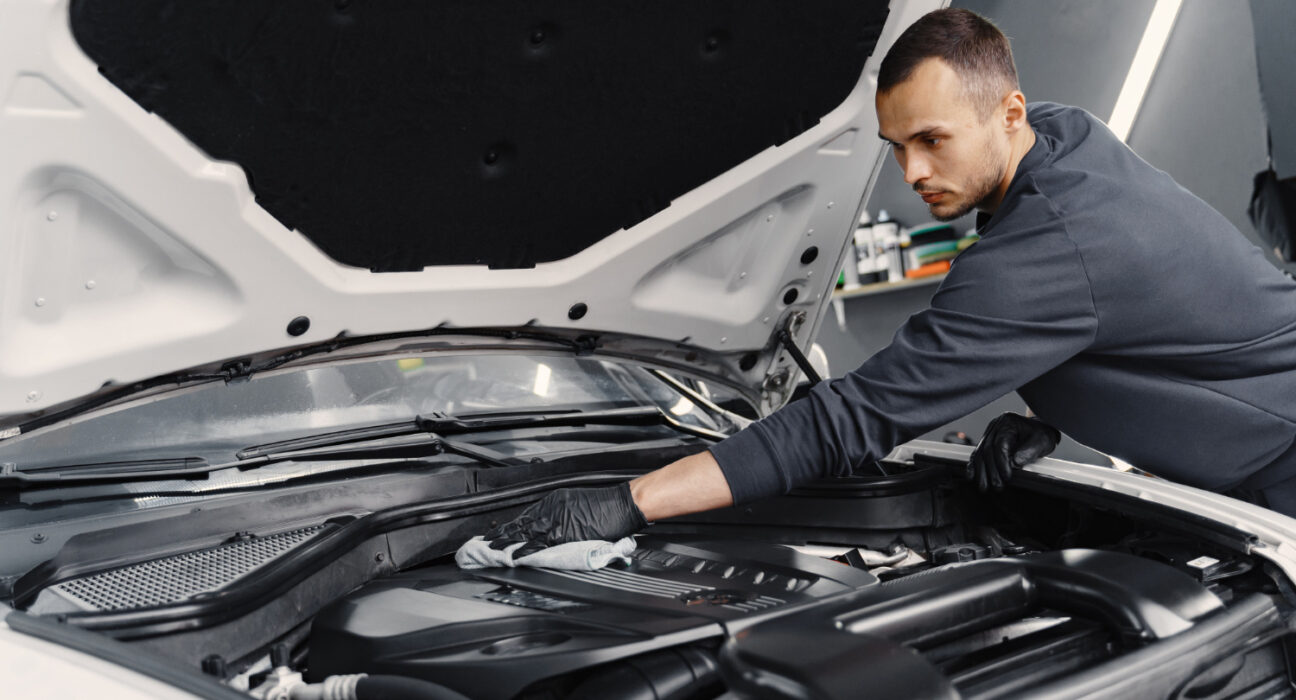
Learning how to change car air filter yourself is one of the easiest maintenance jobs you can do. It takes less than 10 minutes, requires no special tools in most vehicles, and can save you a decent amount in garage labour charges. If you have ever opened a bonnet, you can manage this.
I have swapped filters on everything from small hatchbacks to family SUVs, and the process is nearly identical every time. Locate the airbox, open the clips, lift out the old filter, drop in the new one, and close it up. That is genuinely the whole job.
In this guide, you will learn exactly how to do it, when to do it, and what mistakes to avoid.
What Is a Car Air Filter and Why Does It Matter?
A car air filter is a pleated paper or fibre element that cleans the air entering your engine. Every litre of petrol or diesel your engine burns needs thousands of litres of air. The filter stops dust, pollen, insects, and road debris from reaching the combustion chamber.
When the filter clogs, the engine has to work harder to breathe. The results are noticeable:
- Reduced acceleration and sluggish throttle response
- Slightly worse fuel economy
- Rough idling or unusual engine sounds
- A dusty or dirty smell from the engine bay
Do not confuse the engine air filter with the cabin air filter. The cabin filter cleans the air inside your car for you and your passengers. This guide covers the engine air filter, though the cabin version is often just as easy to replace.
How Often Should You Change a Car Air Filter?
Most manufacturers recommend replacing the engine air filter every 12,000 to 15,000 miles, or roughly once a year. However, driving conditions matter more than the number on the odometer.
Replace it sooner if you regularly drive:
- On dusty or unpaved roads
- In heavy stop-start city traffic
- Through areas with high pollution or pollen
- In hot, dry climates where dust is constant
A quick visual check tells you plenty. Hold the filter up to a light source. If light passes through easily, it still has life left. If it looks grey, clogged, or packed with debris, replace it.
Tools and Materials You Will Need
One of the best things about this job is how little you need:
- A new air filter that matches your vehicle (check your owner’s manual or the retailer’s registration lookup)
- A flathead screwdriver (only if your airbox uses screws instead of clips)
- A clean cloth or a small vacuum for tidying the housing
Genuine filters cost a little more, but reputable aftermarket brands such as Bosch, Mann, or K&N perform perfectly well. Expect to pay somewhere between £8 and £25 for most vehicles.
How to Change Car Air Filter: Step-by-Step Instructions
Follow these six steps. The whole process should take you 5 to 10 minutes.
Step 1: Park Safely and Let the Engine Cool
Park on level ground, switch off the engine, and apply the handbrake. If you have just been driving, wait a few minutes so nothing under the bonnet is hot to the touch.
Step 2: Locate the Airbox
Open the bonnet and look for a black plastic box, usually near the top or side of the engine. A large hose (the air intake duct) runs from it towards the engine. That box houses your filter.
Step 3: Open the Housing
Most airboxes are held shut by metal spring clips you can pop open by hand. Some use screws, which is where the screwdriver comes in. Release them and lift the lid. There is no need to disconnect the hose in most cars.
Step 4: Remove the Old Filter
Lift the old filter straight out and note which way it sits. Take a photo on your phone if you want a reference. Have a quick look at it. A filthy filter confirms the swap was due.
Step 5: Clean the Housing and Fit the New Filter
Wipe or vacuum any leaves, dust, or debris from inside the housing. Never leave loose dirt behind, as it will get sucked straight into the engine. Place the new filter in the same orientation as the old one, making sure the rubber edge seals evenly all round.
Step 6: Close Everything Up
Refit the lid, snap the clips back into place or tighten the screws, and check nothing is pinched or misaligned. Start the engine briefly to confirm it runs smoothly. Job done.
Common Mistakes to Avoid
Even a simple job has pitfalls. From experience, these are the ones that catch people out:
- Buying the wrong filter. Sizes vary even within the same model range, so always check the exact fitment.
- Fitting the filter upside down. The seal will not sit properly and unfiltered air can bypass it.
- Forgetting to secure the clips. A loose lid lets dirty air straight into the engine.
- Cleaning a disposable paper filter with compressed air. This damages the fibres. Only washable performance filters are designed for cleaning and re-oiling.
Is It Worth Doing Yourself?
Absolutely. A garage may charge £20 to £50 in labour for a task that takes minutes. Doing it yourself also builds confidence for other simple maintenance jobs, such as topping up fluids or changing wiper blades.
That said, some modern vehicles bury the airbox under engine covers or intake ducting. If access looks awkward or you are unsure, there is no shame in letting a mechanic handle it during a routine service.
Conclusion
Now you know how to change car air filter without a trip to the garage. Locate the airbox, swap the old element for a correctly fitted new one, and secure the housing. Do it every 12,000 to 15,000 miles, or sooner in dusty conditions, and your engine will reward you with smoother running and better fuel efficiency. It is a small job with a genuinely worthwhile payoff.
Frequently Asked Questions
1. How much does it cost to change a car air filter?
A replacement filter typically costs £8 to £25. If you fit it yourself, that is the total cost. A garage may add £20 to £50 in labour.
2. How do I know if my car air filter needs changing?
Look for reduced acceleration, worse fuel economy, or rough idling. Visually, a clean filter is white or off-white, while a worn one looks grey and clogged with debris.
3. Can I drive with a dirty air filter?
You can for a short while, but performance and fuel economy will suffer. Over time, a severely clogged filter can strain the engine and, in rare cases, allow debris past a damaged seal.
4. Is changing a car air filter the same as changing a cabin filter?
No. The engine air filter protects the engine, while the cabin filter cleans the air inside the car. Both need periodic replacement, but they sit in different locations.
5. Do I need any tools to change a car air filter?
In most vehicles, no. The airbox usually opens with hand-operated clips. Some models require a flathead or Phillips screwdriver for housing screws.