

Let’s be honest. Most gamers know they’ve stayed up way too late staring at a screen, skipped meals during long sessions, or felt that strange mix of exhaustion and guilt after a gaming marathon.
Gaming is brilliant fun. But without the right healthy gaming habits, it can quietly chip away at your sleep, posture, mental health, and overall wellbeing. The good news? A few simple changes make a massive difference.
This guide covers everything you need to game smarter, feel better, and actually enjoy your hobby long-term.
Why Healthy Gaming Habits Matter More Than Ever
Gaming is now one of the most popular leisure activities in the world. According to Statista, over 3.3 billion people play video games globally as of 2026, and that number keeps rising.
Yet research from the World Health Organisation has highlighted concerns around sedentary behaviour, sleep disruption, and gaming disorder. It is not about quitting gaming. It is about making better choices around it.
Think of it like diet and exercise. You do not need to stop eating to be healthy. You just need to make good health choices more often than bad ones. The same principle applies to gaming.
The Most Important Healthy Gaming Habits to Start Today
1. Set a Clear Time Limit Before You Start
One of the simplest and most effective gaming habits is deciding in advance how long you will play. Set a timer on your phone or use in-game session reminders if available.
For example, instead of saying “I’ll just play for a bit,” commit to 90 minutes and stop when the alarm goes off. This single habit reduces the risk of losing hours you did not intend to lose.
2. Take Regular Breaks Using the 20-20-20 Rule
Eye strain is a real issue for gamers. Optometrists widely recommend the 20-20-20 rule: every 20 minutes, look at something 20 feet away for 20 seconds.
Beyond your eyes, short breaks help prevent wrist strain, stiff shoulders, and back pain. Stand up, stretch, grab a glass of water. Your body will thank you.
3. Keep Your Gaming Space Ergonomically Set Up
Posture is something most gamers completely ignore until the pain starts. Poor seating and screen positioning contribute to long-term neck and back problems.
Invest in a decent chair with lumbar support. Position your screen at eye level. Keep your feet flat on the floor and your elbows at roughly 90 degrees. These are not complex changes, but they protect you over hundreds of hours of gameplay.
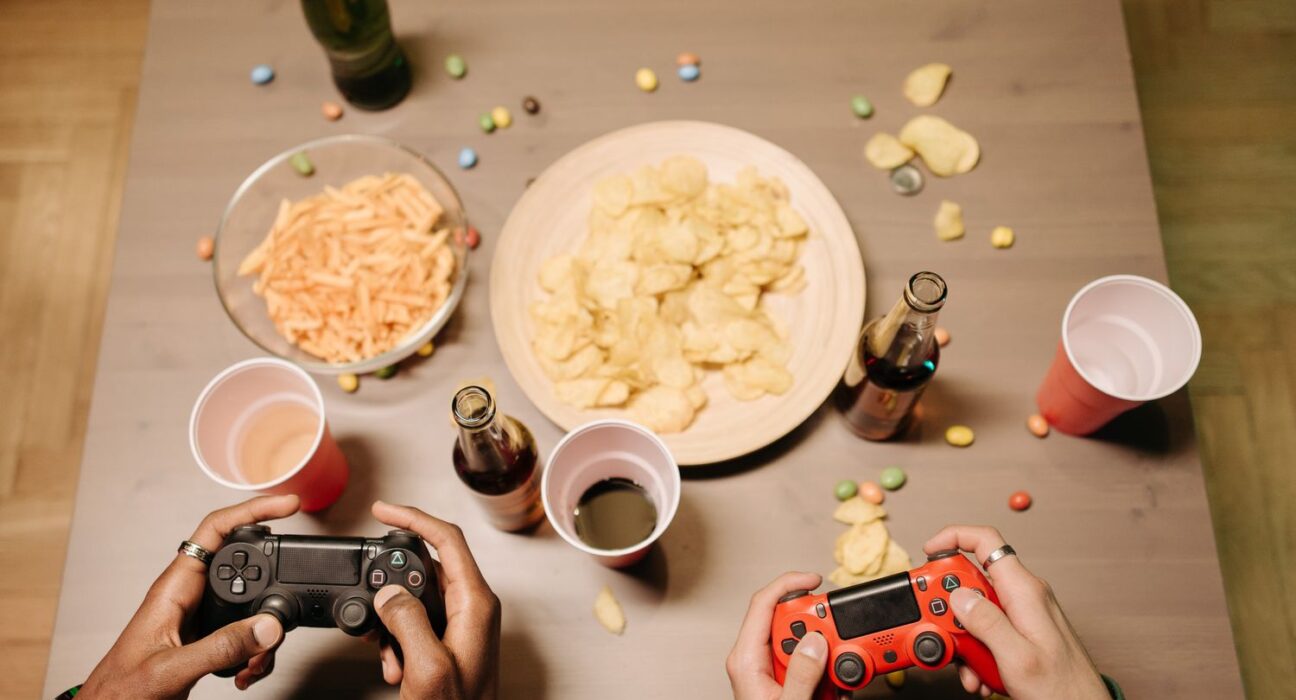
4. Stay Hydrated and Avoid Junk Food Binges
It is easy to reach for crisps and energy drinks when you are deep in a game. However, dehydration and poor nutrition affect your focus, mood, and reaction times.
Keep a bottle of water at your desk. If you want a snack, opt for something light and nutritious. Your in-game performance may actually improve as a result.
5. Prioritise Sleep Over One More Match
This is possibly the most common mistake gamers make. “Just one more game” turns into three, and suddenly it is 2am on a work night.
Sleep deprivation impacts concentration, emotional regulation, and physical health. Gaming before bed also exposes you to blue light, which delays the release of melatonin and makes it harder to fall asleep.
Try to stop gaming at least an hour before bed. Use night mode or blue light glasses if you game in the evenings.
Common Mistakes That Harm Your Wellbeing
Ignoring Warning Signs From Your Body
Many gamers push through headaches, eye pain, sore wrists, or back ache without addressing them. These are signals, not inconveniences. Ignoring them regularly leads to conditions like carpal tunnel syndrome or chronic back pain.
Playing to Escape Rather Than Enjoy
There is a difference between playing games because you genuinely enjoy them and playing to avoid dealing with stress, anxiety, or loneliness. The second pattern is where gaming can become unhealthy.
If you notice you are gaming primarily to escape negative feelings, it is worth speaking to someone you trust or considering professional support.
Neglecting Real-Life Relationships
Social gaming is fantastic. However, if online relationships are consistently replacing real-world ones, it may be worth reassessing the balance. Good health choices extend to your social life too.
Expert Tips for Smarter, Healthier Gaming
These practical strategies can genuinely improve your relationship with gaming.
Create a gaming schedule: Treat your sessions like appointments. Plan them into your week so gaming fits around your life rather than replacing it.
Use gaming as a reward, not a default: Complete tasks, exercise, or social commitments first. Then game. This approach builds a healthier association with the hobby.
Track your session times: Apps like RescueTime or your console’s built-in playtime tracker can be eye-opening. Most people underestimate how long they actually play.
Mix in physical activity: Even a 20-minute walk before or after a session has measurable benefits for mood, focus, and energy. Consider it a warmup for your gaming performance.
Connect gaming to national health choices: Some UK health initiatives encourage activity challenges, including those built into gaming platforms. Ring Fit Adventure, Beat Saber, or even football games paired with actual five-a-side are great examples of blending gaming with movement.
What Good Health Choices Look Like in Practice
Here is a realistic example. Jake is a 26-year-old who used to game for five to six hours every night. He was tired at work, getting headaches, and felt disconnected from friends.
He made three changes. He capped sessions at 90 minutes on weekdays. He started going for a run three times a week. He stopped gaming after 10pm.
Within a month, his sleep improved, his mood stabilised, and he actually enjoyed gaming more because it felt like a treat rather than a habit he could not shake.
Small shifts in gaming habits lead to noticeable changes in real life. That is the point.
The Mental Health Side of Gaming
Gaming can be genuinely good for mental health when approached correctly. Research published in journals such as JMIR Mental Health has found that certain games reduce stress, improve problem-solving, and build social connections.
The key word is balance. Moderate, intentional gaming supports good mental wellbeing. Excessive, unplanned gaming tends to do the opposite.
If gaming ever feels compulsive or out of control, resources such as the NHS healthy habits services or organisations like Game Quitters offer real support.
Final Thoughts and a Simple Call to Action
Building essential healthy gaming habits does not mean giving up something you love. It means protecting it. When you look after your body, sleep, and mental health, you game better, feel better, and enjoy it more.
Start with just one habit from this guide today. Maybe it is setting a timer before your next session. Maybe it is drinking more water. Small wins build momentum.
Your wellbeing and your hobby can absolutely coexist. You just need to be intentional about it.