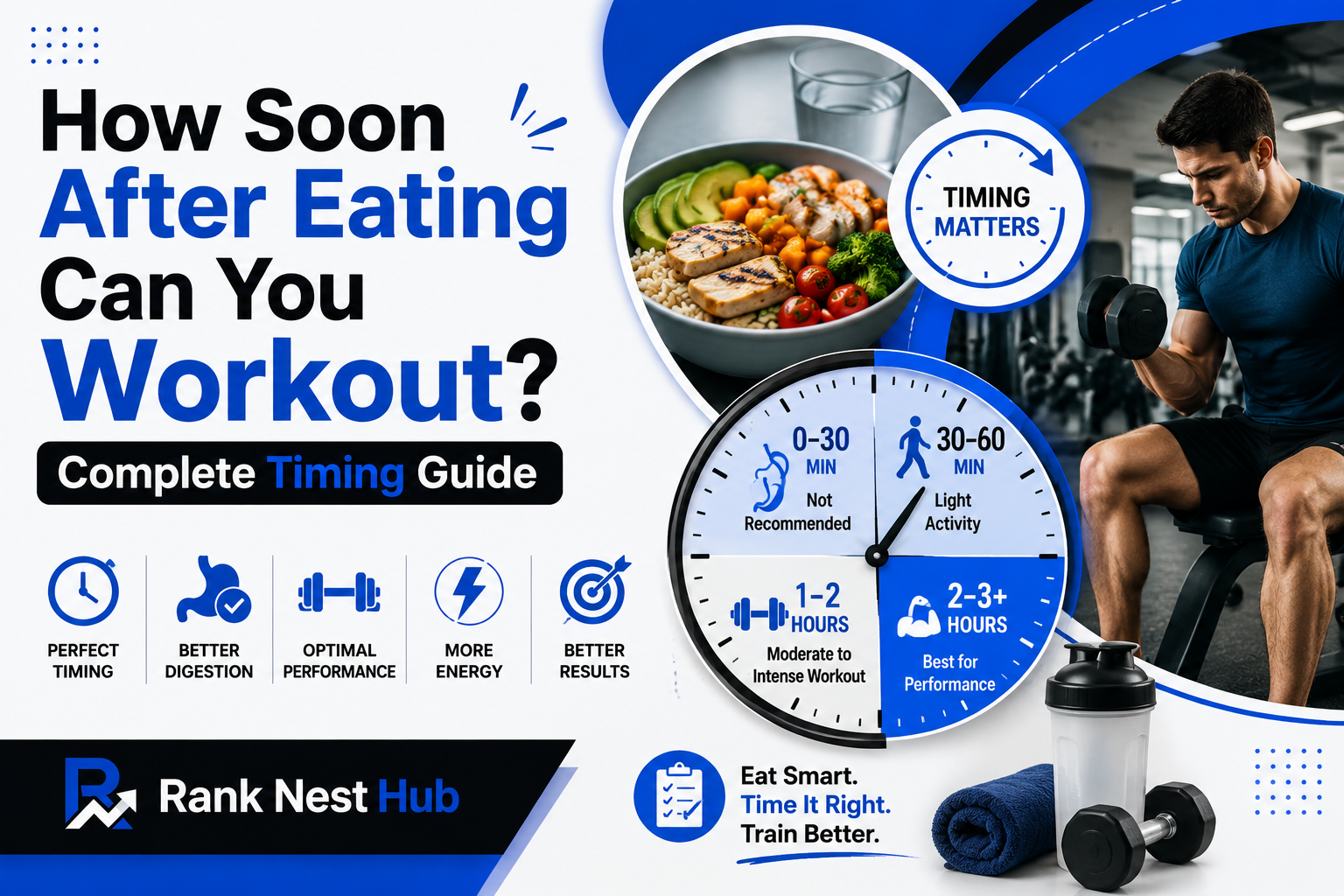

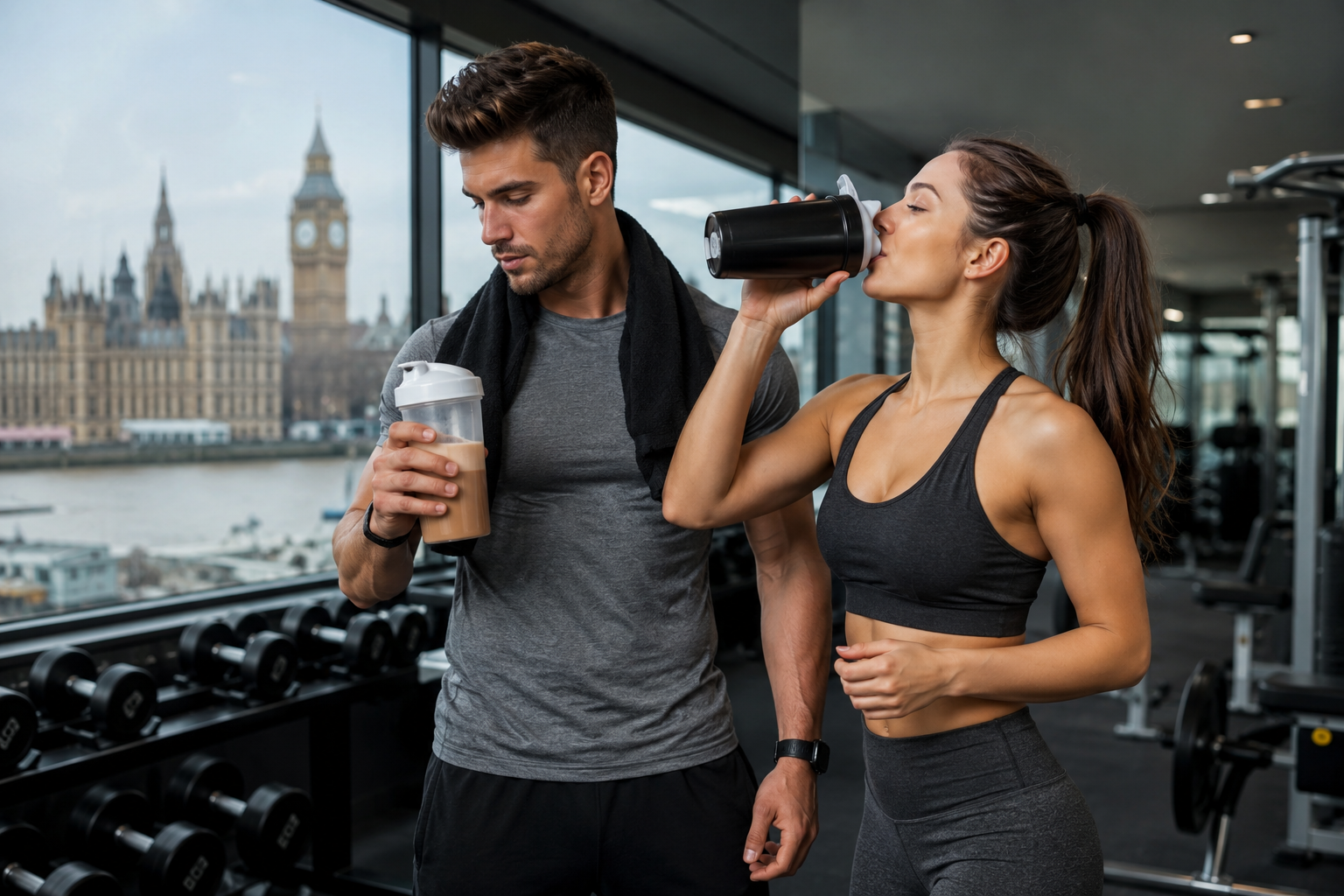
Whether you’re brand new to the gym or have been lifting for years, one question comes up again and again: should you drink protein before or after Workout Together? It’s one of the most debated topics in fitness and sports nutrition, and getting the timing right can genuinely impact your results.
What Protein Actually Does for Your Muscles
Protein is made up of amino acids, the building blocks your muscles need to repair and grow after exercise. When you train, your muscle fibres develop microscopic tears. Protein helps rebuild those fibres stronger and denser over time.
Without enough protein, the recovery process slows down. You may feel more fatigued, experience greater soreness, and see less muscle growth despite putting in the work at the gym.
The debate isn’t simply about how much protein you eat. It’s about when you eat it and whether timing actually changes your outcomes.
Should You Drink Protein After a Workout?
Post-workout protein is the most widely recommended approach in sports nutrition, and the science backs it up.
After training, your muscles enter a heightened state of sensitivity. Muscle protein synthesis (MPS), the biological process that rebuilds and strengthens muscle tissue, is elevated. Your body is essentially primed to absorb and use protein more efficiently during this window.
Consuming a protein shake within 30 to 60 minutes after training can:
- Kick-start muscle repair and reduce recovery time
- Decrease delayed onset muscle soreness (DOMS)
- Support lean muscle growth over time
- Help replenish glycogen stores when paired with carbohydrates
Whey protein isolate is particularly effective post-workout. It’s fast-digesting and rich in leucine, an essential branched-chain amino acid (BCAA) that directly stimulates muscle protein synthesis. If you’re looking for the most research-supported protein timing strategy, post-workout protein is it.
Should You Drink Protein Before a Workout?
Pre-workout protein is often underrated, but it has real, practical benefits worth considering.
Consuming protein 30 to 60 minutes before training ensures amino acids are already circulating in your bloodstream when you begin exercising. This can protect against muscle protein breakdown, also known as catabolism, which occurs during intense physical activity.
Pre-workout protein is especially useful if:
- You train first thing in the morning in a fasted state
- It has been more than three hours since your last protein-rich meal
- You’re completing a long or particularly demanding session
- You want to maintain energy and protect muscle tissue throughout your workout
Casein protein or a blend works well before training because it digests more slowly, providing a sustained release of amino acids during your session.
The Anabolic Window: Is the 30-Minute Rule Real?
You’ve likely heard of the “anabolic window,” the idea that you have a strict 30-minute window after training to consume protein or risk losing your gains.
This concept has been significantly overstated.
A widely cited meta-analysis published in the Journal of the International Society of Sports Nutrition found that total daily protein intake is far more important than the exact timing window around a workout. The window appears to be broader than previously believed, possibly up to several hours.
In short, if you’re consistently hitting your daily protein targets, whether you take your shake 20 minutes or 90 minutes post-training makes little meaningful difference to long-term muscle gain.
So, Before or After Workout: Which Is Actually Better?
Here’s the practical guidance most sports nutrition professionals follow:
If you had a protein-rich meal 1 to 3 hours before training: Focus on post-workout protein. Your muscles need nutrients to recover after the session.
If you trained in a fasted state or haven’t eaten in over three hours: Consider protein either immediately before or straight after your workout.
For most people in most scenarios: Post-workout protein offers a slight edge because it directly supports the recovery and growth phase your body enters after exercise.
That said, consistency with total daily protein matters more than getting the timing perfect every single day.
Which Type of Protein Should You Use?
Not all protein sources behave the same way. Here’s a quick breakdown:
- Whey protein is fast-digesting, leucine-rich, and ideal for post-workout recovery
- Casein protein is slow-releasing, making it better suited for pre-workout or before bed
- Plant-based protein (pea, rice, hemp blends) offers a solid dairy-free alternative with a complete amino acid profile when blended
- Whole food protein sources such as eggs, Greek yoghurt, chicken, or cottage cheese work equally well if you can eat a full meal around your training
The bioavailability and amino acid profile of your protein source matter just as much as when you consume it.
Practical Protein Timing Tips
- Aim for 20g to 40g of protein per serving to maximise muscle protein synthesis
- Distribute protein intake evenly across three to five meals throughout the day
- Combine post-workout protein with carbohydrates to support glycogen replenishment
- Stay properly hydrated as protein metabolism depends on adequate fluid intake
- For morning trainers, prepare your shake in advance so it’s ready within 30 minutes of finishing your session
Conclusion
So, should you drink protein before or after workout? Both timing windows offer real benefits, but post-workout protein provides a slight advantage for most people, particularly for Muscle Growth.
More importantly, hitting your total daily protein target of roughly 1.6g to 2.2g per kilogram of bodyweight will deliver far greater results than stressing over the exact minute you take your shake. Build the habit first, then fine-tune the timing as your training progresses.
Frequently Asked Questions
1. Should you drink protein before or after a workout for muscle gain?
Post-workout protein has a slight edge for muscle gain because it directly supports muscle protein synthesis during the recovery phase. However, consistent total daily protein intake is the most important factor for building muscle over time.
2. How long after a workout should you drink a protein shake?
Aim to have your protein shake within 30 to 60 minutes after training for optimal recovery. Research suggests the anabolic window is wider than once believed, but consuming protein promptly after your session remains a strong habit to build.
3. Is it safe to drink protein on an empty stomach before training?
Yes. A protein shake before a fasted morning workout helps prevent muscle protein breakdown during your session. A fast-digesting option like whey protein is generally recommended in this scenario.
4. How much protein should you have in one serving?
Most research supports 20g to 40g of protein per serving to maximise muscle protein synthesis. Consuming more than this in a single sitting offers diminishing returns, as the body can only utilise a certain amount at once.
5. Can you take protein both before and after a workout?
Yes, and for longer or more intense training sessions, this can be a useful strategy. For the majority of people, however, distributing protein evenly across meals throughout the day is more beneficial than doubling up around a single session.