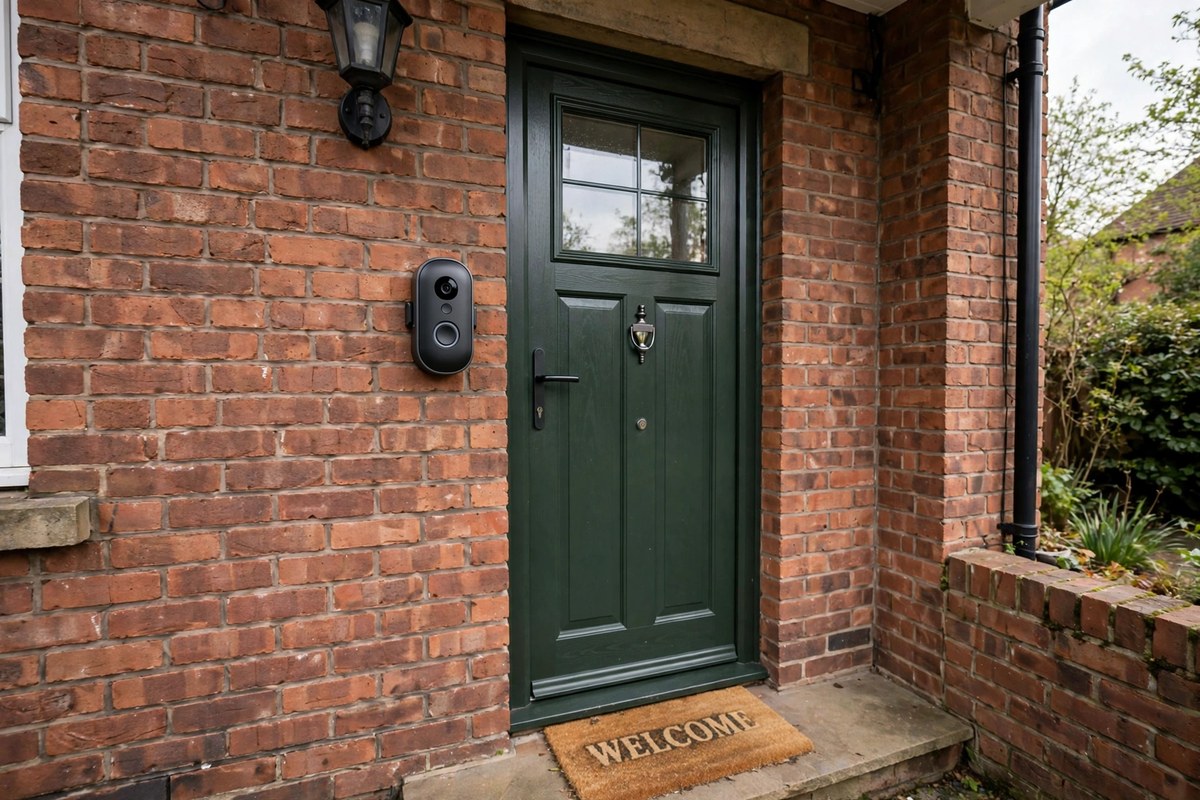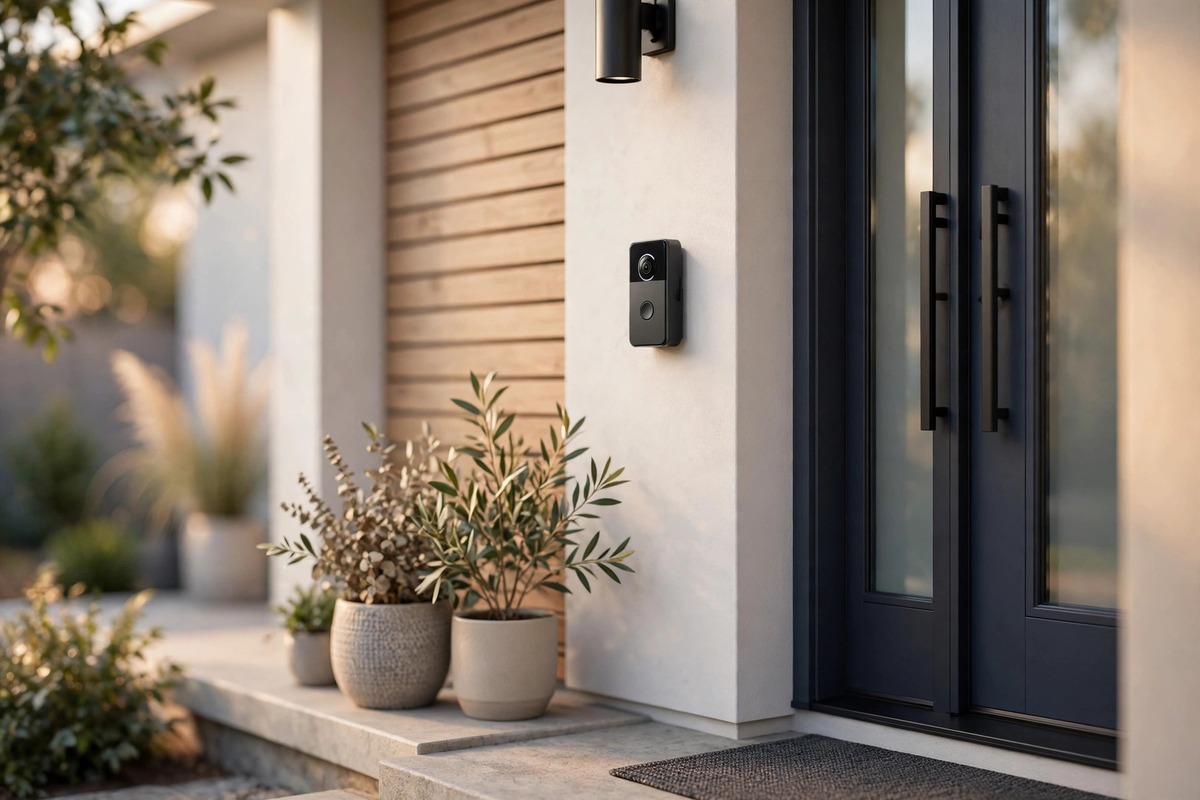

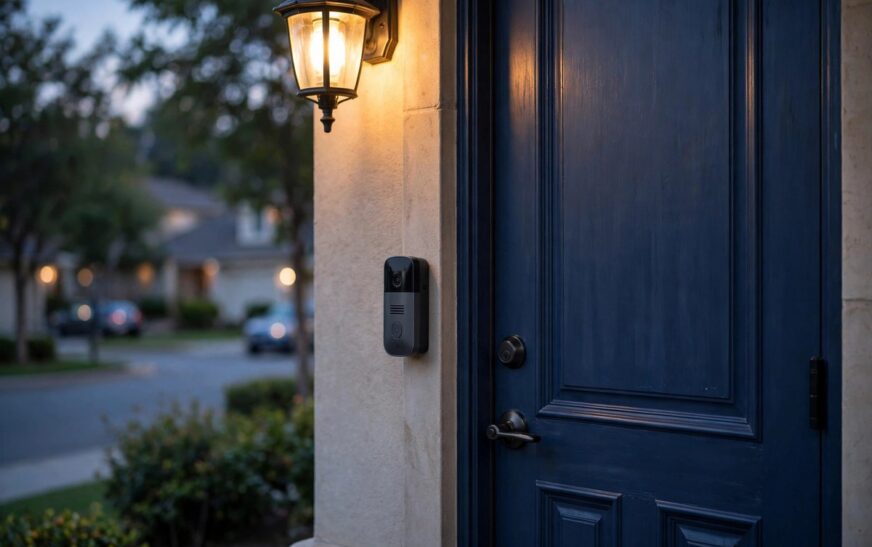
So, is Ring worth it without a subscription? That question sits at the top of almost every 2026 buyer guide for a reason. The short answer is that the doorbell keeps working, and the honest answer is that it stops being a security camera and starts being a live peephole. This guide breaks down exactly what still works free, what you lose, and the five-year maths, based on Ring’s official plans page checked in October 2026 and the best 2026 comparisons, not on lab testing here at RankNestHub.
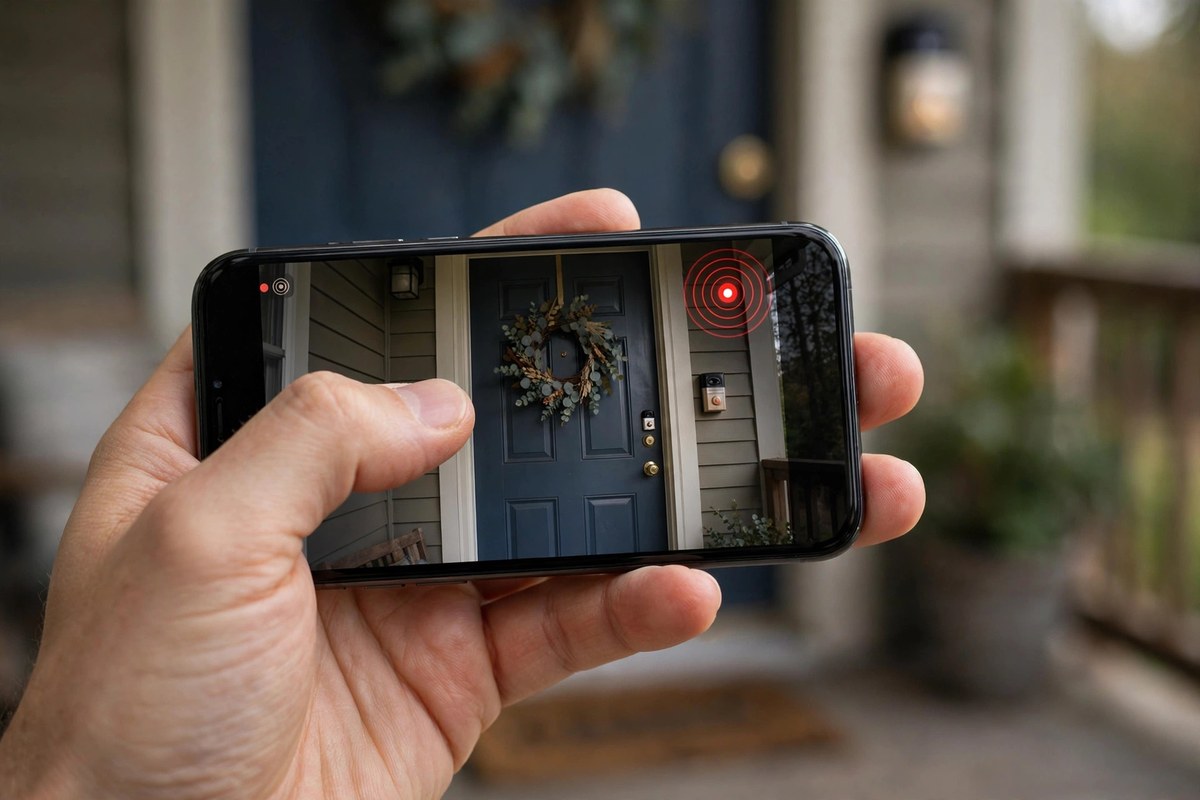
What You Still Get Free: Live View, Alerts and Two-Way Talk
Skip the plan and the core real-time features all keep working. Live View shows whatever is in front of the camera any time you open the app. Motion alerts and doorbell press notifications arrive as they happen. Two-way talk lets you speak to whoever is at the door, and motion zones keep the camera from watching the street. Alexa integration is free too, so an Echo Show can display the feed.
One thing the marketing glosses over: a free Ring account is still mandatory. You cannot use the doorbell standalone, and you cannot access even the free features without creating an account and linking the device, a baseline this 2026 breakdown of Ring’s subscription requirements confirms.
Is Ring Worth It Without a Subscription? The Five Things You Lose
The free tier covers the present moment and nothing else. Everything you lose sits in one place: the past. First, there is no video history at all. Miss the live alert by five minutes and that moment is gone forever. Second, you cannot download, save or share clips, so there is nothing to send to a neighbour, an insurer or the police. Third, you lose Pre-Roll, the roughly four seconds of colour video captured before the motion trigger fires, often the only footage of someone approaching. Fourth, smart alerts disappear: notifications stay generic, so every swaying branch and passing car triggers the same ping, which one 2026 side-by-side test flagged as the biggest free-tier pain point. Fifth, you lose Snapshot Capture, the periodic still photos between motion events that form a visual timeline, plus rich notifications with thumbnails.
Live Peephole vs Security Recorder: The Decision Framework
Here is the framework that makes the decision simple. Ring without a plan is a live peephole. It answers one question: who is at my door right now? If that is the whole job, for example you work from home and screen delivery drivers while you are in, the free tier is genuinely good value for the price of the hardware.
Ring with a plan is a security recorder. It answers a different question: what happened while I was not looking? The moment your answer to “does it matter what I missed?” is yes, the plan moves from optional to near essential.
When the Plan Is Near Essential
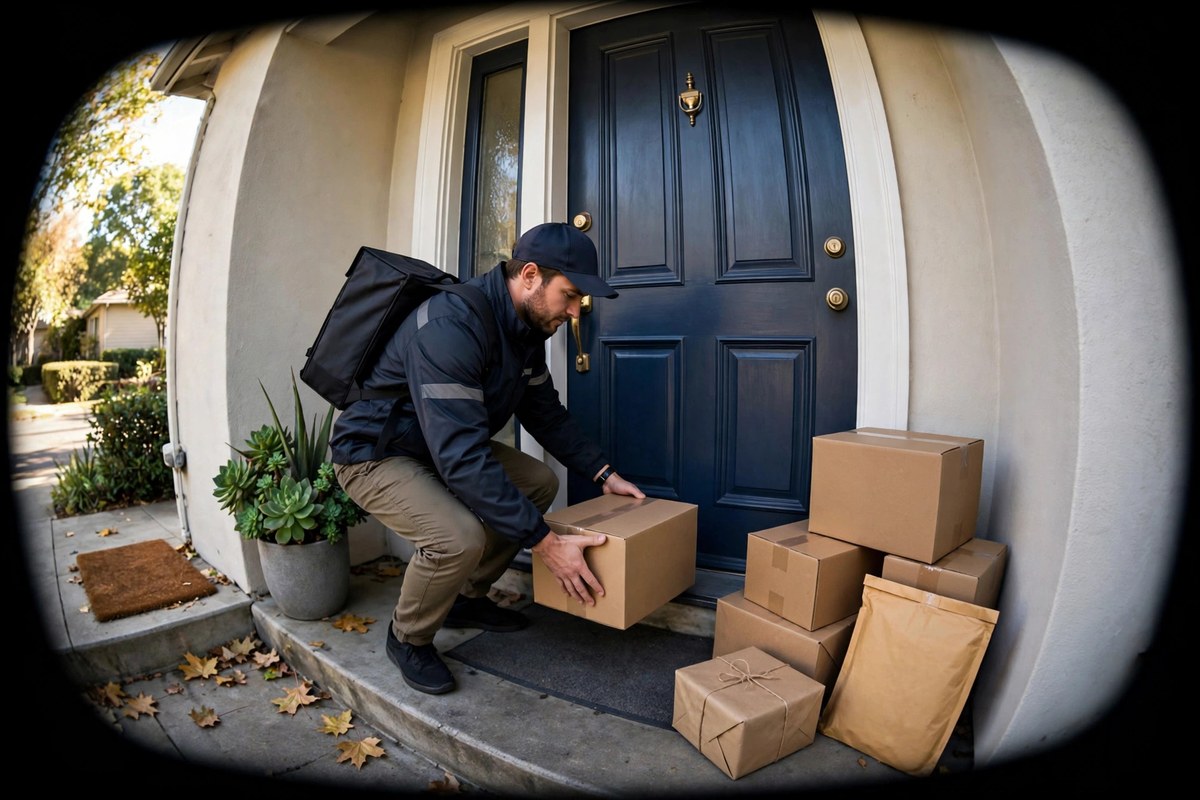
Three scenarios push most buyers over the line. Package-theft evidence is the first. Without recorded clips you cannot prove a parcel was taken, which defeats the point for anyone ordering online regularly. Missed visitors are the second: the 3am motion alert with no recording to check is, as one UK reviewer put it, more unsettling than no alert at all. Smart filtering is the third: person, package and vehicle alerts on paid plans are what stop your phone buzzing all day.
The plan side keeps getting better value, too. Ring’s official plans page, checked October 2026, now offers up to 180 days of event history on paid tiers, and new devices include a 30-day free trial, so you can test whether you actually review footage before paying.
The Five-Year Cost of Ownership
This is the maths worth doing on day one. The hardware is the smallest part of the spend. In the UK, the single-device plan, currently called Ring Solo, costs £4.99 a month or £49.99 a year as of October 2026. Over five years that is roughly £250 in fees on top of a £100 to £200 doorbell, so true ownership lands around £350 to £450. One 2026 cost analysis puts five-year US ownership at roughly $340 on the basic tier up to around $940 on the top tier, device included.
Two warnings from our competitor check. First, the plan names have changed more than once, Protect to Home and back to Protect, so guides still quoting “Protect Basic at $3 a month” are working from stale data; the tiers on Ring’s official page as of October 2026 are Solo, Multi and Pro. Second, prices vary by country, so always confirm on Ring’s official plans page for your region before budgeting.
The Subscription-Free Alternative, in One Paragraph
If monthly fees are the dealbreaker, cameras built around local storage are the standard counter-argument. Brands like eufy and Reolink record to an SD card or a home hub with no subscription needed, which our Ring vs Eufy doorbell comparison walks through in detail. The trade-off is real: local processing generally means less polished cloud AI and a weaker ecosystem, and Ring has no local storage option at all. See our best outdoor security cameras without a subscription for models built for it, and pair either route with one of the best smart locks for renters for a complete no-drill front door.
Conclusion
Is Ring worth it without a subscription? As a smart doorbell for live answers and visitor chat, yes, and the free tier is genuinely functional. As a security camera, no, because security is evidence and the free tier keeps none. Buy the hardware knowing the real five-year cost, trial the plan for its free 30 days, and switch to a local-storage brand only if the fee itself is the objection. Decide by the question that matters: do you care what you missed?
Frequently Asked Questions
Do I need a Ring account if I don’t want a subscription?
Yes. A Ring account is required for every feature, including the free ones. You create the account during setup and link the doorbell to it; without that step the device does nothing at all. No subscription is needed, but the account is non-negotiable.
What is Pre-Roll on a Ring doorbell, and do I get it without a subscription?
Pre-Roll is the few seconds of colour video captured just before the motion trigger fires, so you see someone approaching rather than only after they arrive. It is a paid-plan feature. Without a subscription, missed motion is missed entirely.
What is Snapshot Capture, and is it free?
Snapshot Capture takes periodic still photos between motion events and stitches them into a visual timeline of your day. It needs a paid plan, and it is one of the features buyers discover only after cancelling: without it there is no way to glance at what the camera saw between alerts.
Why do Ring’s plan names keep changing?
Ring has renamed its subscription tiers more than once, shifting from Ring Protect to Ring Home and then back to Ring Protect, which is why older guides quote names and prices that no longer match the checkout page. As of October 2026 the tiers on Ring’s official plans page are Solo, Multi and Pro, with up to 180 days of event history on paid plans. Always verify on the official page for your country.
How long does Ring keep my videos with a subscription?
As of October 2026, Ring’s official plans page states recorded motion events are stored in the cloud for up to 180 days for doorbells and home cameras. Older guides quoting 30 or 60 days are out of date, which is another reason to check the official page rather than a 2024 or 2025 roundup.