
Keeping your car in good condition doesn’t have to be expensive. In fact, with the right habits and a bit of awareness, you can avoid costly repairs and extend the life of your vehicle. Automotive Maintenance is not just about fixing problems it’s about preventing them before they even start. This guide will walk you through practical, easy-to-follow tips that can help you save money while keeping your car running smoothly.
Why Regular Car Maintenance Matters
Regular Automotive Maintenance is one of the smartest ways to reduce long-term expenses. When small issues are ignored, they often turn into major problems that require expensive repairs. A well-maintained car also performs better, consumes less fuel, and is safer to drive.
Think of your Automotive Maintenance like your health routine checkups are always cheaper than emergency treatments.
Check and Change Engine Oil Regularly
Why Engine Oil is Important
Engine oil keeps all moving parts lubricated, Automotive Maintenance, reduces friction, and prevents overheating. Over time, oil becomes dirty and loses its effectiveness.
How Often Should You Change It?
Most cars need an oil change every 5,000 to 10,000 kilometers, depending on the type of oil and driving conditions.
Money-Saving Tip
- Use high-quality oil to extend intervals between changes
- Check oil levels monthly to avoid engine damage
Ignoring oil changes can lead to engine failure one of the most expensive repairs.
Maintain Proper Tire Pressure
Benefits of Correct Tire Pressure
Keeping your tires properly inflated helps with:
- Better fuel efficiency
- Longer tire lifespan
- Improved safety
How to Check Tire Pressure
You can use a simple pressure gauge or visit a nearby service station. Always follow the recommended PSI mentioned in your car manual.
Money-Saving Tip
Under-inflated tires wear out faster and consume more fuel. A quick monthly check can save you hundreds over time.
Replace Air Filters on Time
What Does an Air Filter Do?
The air filter prevents dust and debris from entering your Automotive Maintenance. A clogged filter reduces engine performance and increases fuel consumption.
When to Replace It
Typically, every 12,000 to 15,000 kilometers, but it depends on driving conditions dusty areas may require more frequent changes.
Money-Saving Tip
A clean air filter improves mileage, meaning you spend less on fuel.
Keep an Eye on Brake System
Why Brake Maintenance is Critical
Your brakes are essential for safety. Worn-out brake pads can damage rotors, leading to higher repair costs.
Signs of Brake Problems
- Squeaking or grinding noise
- Vibrations while braking
- Reduced stopping power
Money-Saving Tip
Replacing brake pads early is much cheaper than replacing the entire braking system.
Don’t Ignore Warning Lights
What Dashboard Lights Mean
Luxury car are equipped with sensors that alert you when something is wrong. Ignoring these warnings can lead to bigger issues.
Common Warning Lights
- Check engine light
- Battery warning
- Oil pressure warning
Money-Saving Tip
Fixing a small issue early can prevent major breakdowns and expensive repairs.
Regular Battery Maintenance
Why Car Battery Care Matters
A weak battery can leave you stranded and may affect other electrical components.
How to Maintain Your Battery
- Clean battery terminals
- Check voltage regularly
- Avoid leaving lights on
Money-Saving Tip
Replacing a battery on time is cheaper than dealing with electrical system damage.
Keep Your Car Clean (Inside and Out)
Exterior Cleaning Benefits
Dirt, dust, and moisture can damage your Automotive Maintenance and cause rust over time.
Interior Maintenance
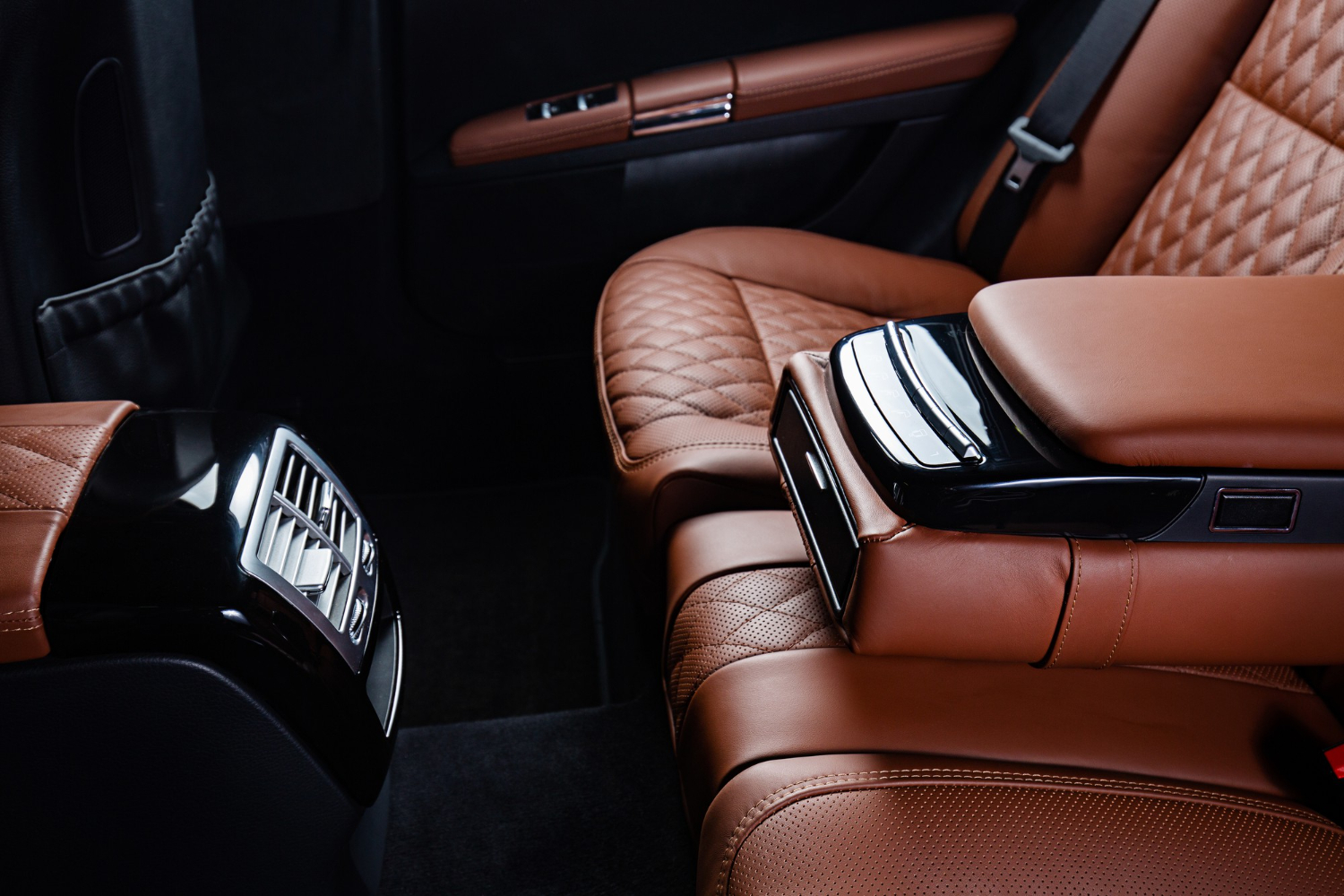
Keeping the interior clean prevents wear and tear, especially on seats and dashboard materials.
Money-Saving Tip
Regular cleaning helps maintain your car’s resale value.
Follow a Maintenance Schedule
Why Scheduling is Important
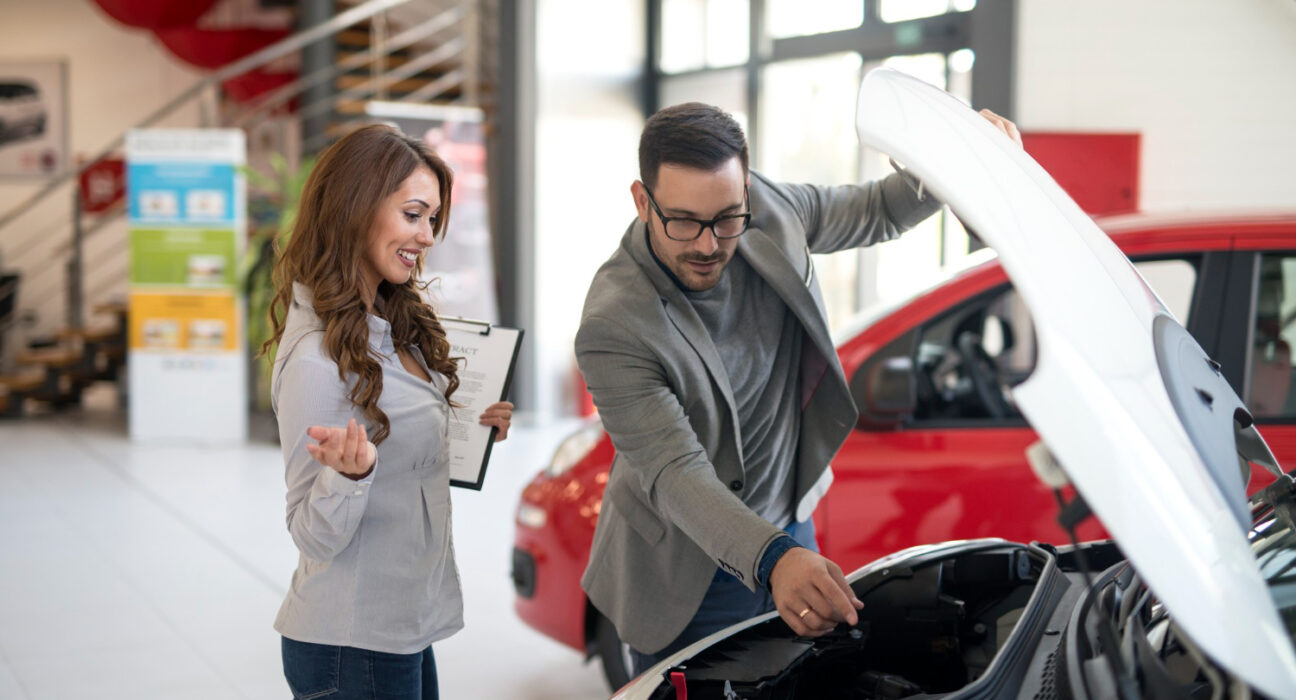
Every car comes with a manufacturer-recommended maintenance schedule. Following it ensures that all parts are checked and replaced when needed.
What to Include in Your Schedule
- Oil changes
- Filter replacements
- Brake inspections
- Fluid checks
Money-Saving Tip
Routine servicing prevents sudden breakdowns and expensive emergency repairs.
Check Fluid Levels Frequently
Important Fluids to Monitor
- Engine oil
- Coolant
- Brake fluid
- Transmission fluid
Why It Matters
Low or dirty fluids can damage critical components and reduce performance.
Money-Saving Tip
Topping up fluids regularly is far cheaper than replacing damaged parts.
Drive Smart to Reduce Wear and Tear
Habits That Damage Your Car
- Sudden braking
- Rapid acceleration
- Overloading the vehicle
Better Driving Practices
- Drive smoothly
- Maintain steady speeds
- Avoid rough roads when possible
Money-Saving Tip
Good driving habits reduce strain on your Automotive Maintenance and extend its lifespan.
Use Quality Parts and Services
Why Quality Matters
Cheap parts may save money initially but often wear out quickly and cause further damage.
Choosing the Right Service
Always go to trusted mechanics or service centers for repairs and maintenance.
Money-Saving Tip
Investing in quality parts reduces the need for frequent replacements.
Conclusion
Taking care of your car doesn’t require expert knowledge or a huge budget. By following simple maintenance practices, you can avoid major Automotive Maintenance and keep your vehicle running efficiently for years. Small actions like checking oil, maintaining tire pressure, and driving carefully can make a big difference in your overall expenses.
In the long run, consistency is the key. Regular attention to your car not only saves money but also ensures safety and better Automotive Maintenance. Start implementing these tips today, and you’ll notice the benefits both in your wallet and on the road.