

Every year, thousands of athletes push their bodies to the edge in the name of competition, adventure or adrenaline. But when people ask what is the most dangerous sport, they usually want a straight answer backed by real numbers, not just guesswork. This guide ranks the riskiest sports using fatality rates, injury data and expert insight, so you know exactly where the danger lies and why.
Quick Answer
BASE jumping is widely considered the most dangerous sport in the world, with a fatality rate far higher than any other recreational or competitive activity, followed closely by big wave surfing, motorsport racing and high-altitude mountaineering.
How Is “Most Dangerous” Actually Measured?
Danger isn’t just about broken bones. Researchers and sports safety bodies typically look at three things:
- Fatality rate: deaths per number of participants or per activity attempt
- Injury frequency: how often participants get hurt, even if not fatally
- Exposure risk: how much control an athlete has over external hazards like weather, equipment failure or other competitors
A sport can have frequent minor injuries (like rugby) yet rank lower in overall danger than a sport with rare but often fatal incidents (like BASE jumping). This distinction matters for anyone genuinely trying to understand risk.
The Most Dangerous Sports in the World, Ranked
1. BASE Jumping
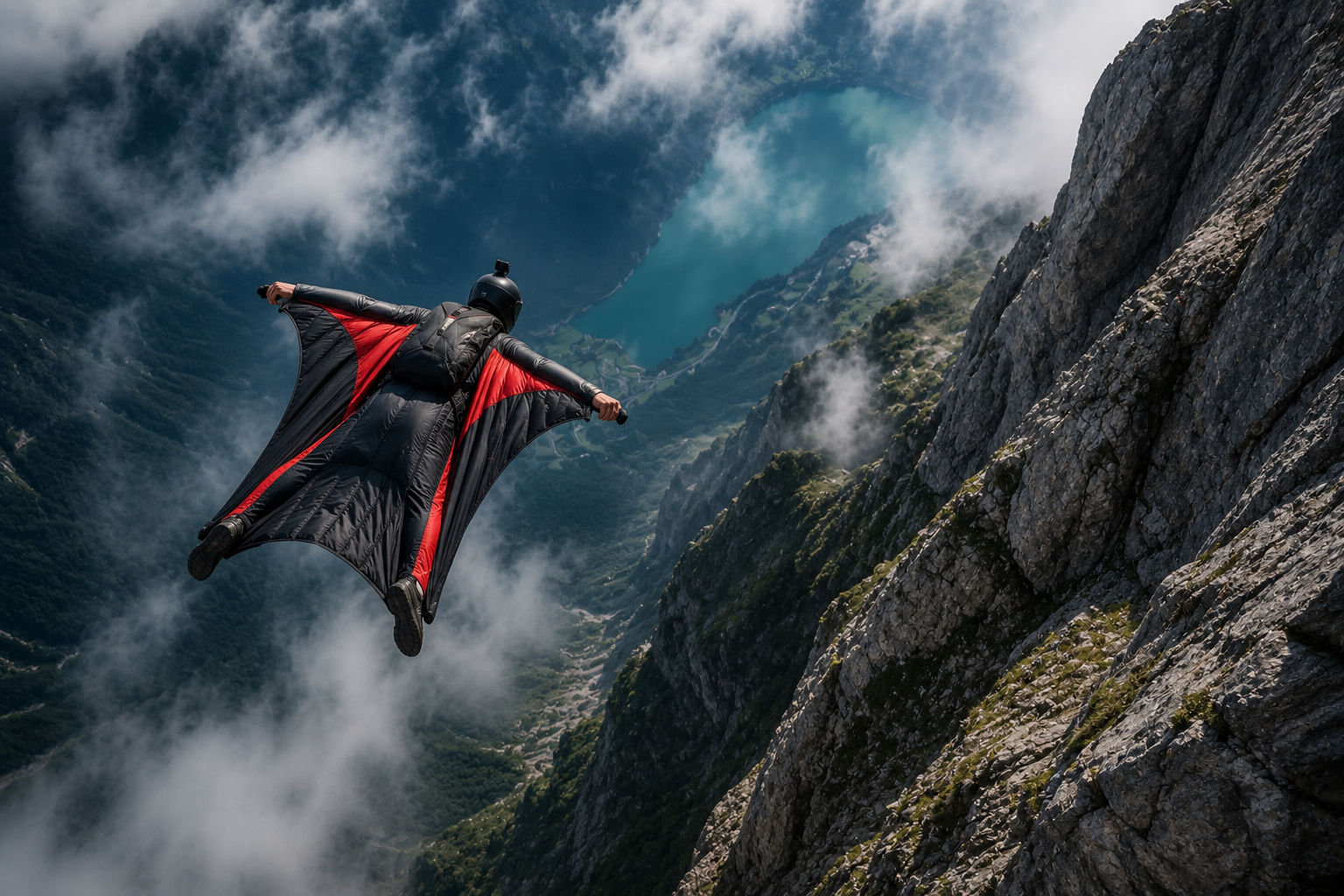
BASE jumping, leaping from fixed objects like cliffs or buildings with a parachute, has one of the highest fatality rates of any sport. Low altitude leaves almost no margin for error if a parachute malfunctions or opens late.
2. Big Wave Surfing
Riding waves over 20 feet tall exposes surfers to drowning, being held underwater by multiple wave sets, and impact with reefs or rocks. Even experienced surfers with safety teams and inflatable vests face serious risk.
3. Motorsport Racing
Rally driving, motorcycle racing and high-speed circuit racing combine extreme speed with mechanical risk. Safety technology has improved dramatically, but crashes at 200mph still carry life-threatening consequences.
4. Mixed Martial Arts and Boxing
Repeated head trauma is the core concern here. While rules and medical oversight reduce immediate fatalities, the long-term risk of brain injury, including chronic traumatic encephalopathy, is well documented.
5. Mountaineering
High-altitude climbing on peaks like K2 or Everest involves oxygen deprivation, avalanches, falls and extreme weather. K2 in particular has a historically higher fatality-to-summit ratio than Everest.
6. Bull Riding and Rodeo
Riders face an animal weighing over 1,000kg that is actively trying to throw them off. Injuries to the head, neck and chest are common, and rodeo has one of the highest injury rates per hour of active participation.
Why Do People Still Choose Dangerous Sports?
Despite the risks, participation keeps growing. Common motivations include:
- The adrenaline and focus that come with high-stakes performance
- A sense of mastery and personal achievement
- Tight-knit communities built around shared risk
- Mental resilience training that transfers into everyday life
Real-Life Use Cases
Search and rescue teams, extreme sports insurers and event organisers all use danger rankings like this one to plan safety protocols. Ski resorts, for example, use avalanche and injury data to decide where to place patrol teams, while motorsport bodies use crash statistics to redesign barriers and vehicle safety cages.
Latest Trends and Statistics
Industry bodies and safety researchers have reported the following patterns in recent years:
- BASE jumping fatality estimates are frequently cited at roughly one death per 500 to 2,000 jumps, depending on the site and jumper experience
- Motorsport fatalities have dropped significantly since the 1990s due to improved helmet and cockpit safety standards
- Traumatic brain injury remains the leading long-term health concern in combat sports, according to multiple sports medicine studies
Because exact figures vary between organisations and years, always check the original source (such as national sports federations or peer-reviewed studies) before quoting a specific statistic in professional or published work.
Common Mistakes People Make
- Underestimating how much training is required before attempting a “beginner” extreme sport
- Skipping proper safety equipment checks to save time or money
- Ignoring weather warnings because conditions “look fine”
- Letting ego override a decision to postpone or withdraw
Expert Tips for Managing Risk
- Progress gradually, don’t skip skill levels to chase bigger thrills faster
- Train under a certified instructor or mentor, especially in the first 12 months
- Always inspect equipment before every session, not just occasionally
- Buy specialist insurance, as standard travel or health policies often exclude extreme sports
Key Takeaways
- BASE jumping is generally regarded as the most dangerous sport due to its high fatality rate
- Danger can mean different things: sudden death risk versus long-term injury risk
- Motorsport and combat sports have improved safety significantly through regulation and technology
- Preparation, mentorship and proper equipment reduce risk across every sport on this list
Conclusion
So, what is the most dangerous sport? By fatality rate alone, BASE jumping sits at the top, with big wave surfing, motorsport and high-altitude mountaineering Motivates close behind. Every sport on this list rewards preparation and punishes complacency. If you’re considering trying one, start with proper training, invest in safety gear, and treat the risk with the respect it deserves.
Frequently Asked Questions
1.What is the most dangerous sport in the world?
BASE jumping is generally considered the most dangerous sport due to its exceptionally high fatality rate relative to participation numbers.
2.Is boxing more dangerous than MMA?
Boxing tends to have a higher rate of repeated head trauma per fight, while MMA has more varied injury types, including joint injuries.
3.What is the safest extreme sport?
Rock climbing on well-bolted indoor or outdoor routes with proper equipment is considered one of the safer extreme sports.
4.Why is mountaineering so dangerous?
Altitude sickness, avalanches, sudden weather changes and long exposure times make high-altitude mountaineering particularly risky.
5.Can dangerous sports be made safer?
Yes, better equipment, training standards and medical oversight have reduced fatality rates in sports like motorsport and skydiving over recent decades.