

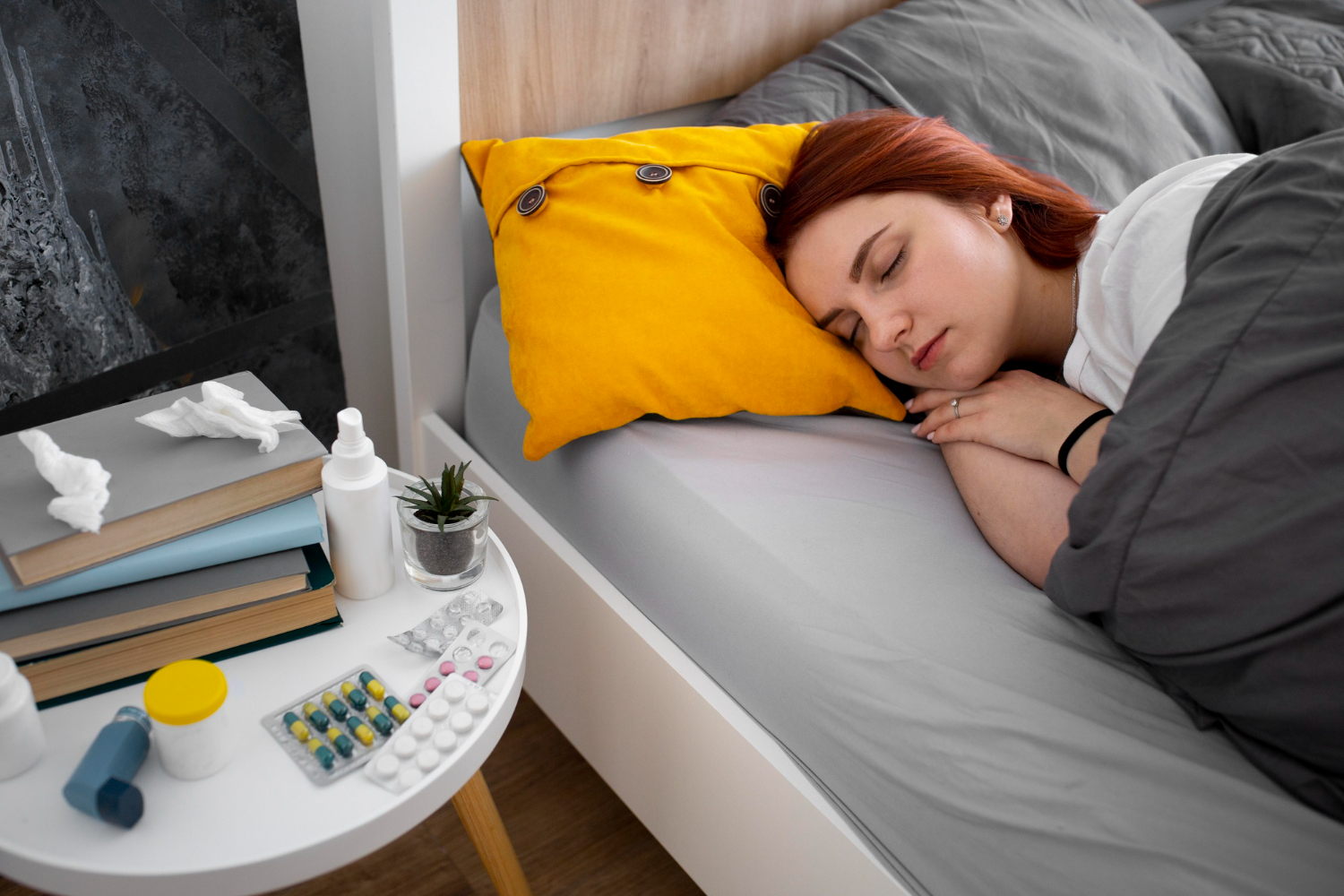
If you toss and turn most nights, the problem is often not your mattress. It is your sleep hygiene. These sleep hygiene tips for better rest are simple, practical habits that help your body wind down naturally and stay asleep for longer. Get the basics right, and deeper sleep tends to follow on its own.
Sleep hygiene is not a trend or a wellness buzzword. It is the set of daily habits and environmental factors that either support or sabotage your sleep quality. Small, consistent changes here often outperform expensive gadgets or supplements.
What Is Sleep Hygiene?
Sleep hygiene refers to the behaviours, routines, and surroundings that influence how well and how long you sleep. This includes your bedtime schedule, light exposure, caffeine intake, bedroom temperature, and pre-sleep habits.
Good sleep hygiene does not guarantee a perfect night every time. But it removes the common obstacles that keep your brain and body from settling into deep, restorative sleep.
In short: sleep hygiene is the foundation your sleep is built on. Weak habits mean shaky sleep, even if you are technically in bed for eight hours.
Why Sleep Hygiene Matters

Sleep is not just downtime. During deep sleep, your body repairs tissue, consolidates memory, and regulates hormones such as cortisol and melatonin. Poor sleep hygiene disrupts this process, even when total sleep time looks adequate on paper.
Over time, inconsistent sleep habits are linked to:
- Higher stress and irritability
- Weakened immune response
- Poor concentration and memory
- Increased risk of long-term issues such as high blood pressure and metabolic problems
The encouraging part is that sleep hygiene is one of the few health factors almost entirely within your control. You cannot always control stress or workload, but you can control your bedtime routine.
10 Sleep Hygiene Tips for Better Rest and Deeper Sleep
1. Keep a Consistent Sleep Schedule
Go to bed and wake up at the same time every day, including weekends. Your circadian rhythm, the internal clock that regulates sleepiness and alertness, thrives on consistency.
Sleeping in on weekends might feel good, but it creates a mild version of jet lag known as social jet lag. This makes Monday mornings harder and can throw off your sleep pattern for days.
Practical tip: if you need to adjust your schedule, shift it by 15 to 20 minutes a day rather than all at once.
2. Get Natural Light Exposure Early in the Day
Morning sunlight helps regulate melatonin production, the hormone responsible for making you feel sleepy at night. Ten to fifteen minutes of natural light shortly after waking can help anchor your body clock.
This is particularly useful if you struggle to fall asleep at a reasonable hour, since morning light exposure helps shift your internal clock earlier.
3. Limit Caffeine After Midday
Caffeine has a half-life of around five to six hours. A coffee at 3pm can still be roughly half active in your system at 9pm, which is enough to delay sleep onset for many people.
If you are sensitive to caffeine, consider cutting it off by lunchtime. This includes tea, energy drinks, and some soft drinks, not just coffee.
4. Create a Wind-Down Routine
Your brain needs a signal that the day is ending. A 20 to 30 minute wind-down routine, done at roughly the same time each night, helps trigger this shift.
Effective wind-down activities include:
- Reading a physical book
- Light stretching or gentle yoga
- Journaling
- Listening to calm music or a podcast
Avoid anything that spikes stress or alertness, such as checking work emails or scrolling through news.
5. Reduce Screen Time Before Bed
Screens emit blue light, which suppresses melatonin production and can trick your brain into thinking it is still daytime. Beyond the light itself, scrolling social media or watching intense content also keeps your mind mentally active.
Practical tip: aim to put screens away 30 to 60 minutes before bed. If that is not realistic, use night mode or blue light filtering settings, though this is a partial fix rather than a full solution.
6. Keep Your Bedroom Cool, Dark, and Quiet

Your body naturally drops in core temperature as you fall asleep. A room that is too warm can interfere with this process.
For most people, a bedroom temperature between 16°C and 19°C supports better sleep. Blackout curtains, an eye mask, or earplugs can help if light or noise are ongoing issues.
7. Watch What and When You Eat and Drink
Heavy meals close to bedtime can cause discomfort and indigestion, making it harder to fall asleep. Alcohol, while it may make you feel drowsy initially, disrupts sleep architecture later in the night and reduces deep sleep.
Try to finish large meals at least two to three hours before bed. If you are hungry closer to bedtime, a light snack is generally fine.
8. Move Your Body During the Day
Regular physical activity improves sleep quality and helps you fall asleep faster. Even a daily walk makes a measurable difference for many people.
Timing matters too. Intense exercise very close to bedtime can raise your heart rate and body temperature, which may delay sleep for some individuals. Earlier in the day tends to work best if you notice this effect.
9. Reserve Your Bed for Sleep
If you work, eat, or scroll on your phone in bed, your brain starts to associate the bed with wakeful activity rather than rest. This weakens the mental link between bed and sleep.
Where possible, use your bed only for sleep and intimacy. If you cannot fall asleep after around 20 minutes, get up, do something calming in low light, and return when you feel drowsy.
10. Manage Stress Before Bedtime
Racing thoughts are one of the most common reasons people struggle to fall asleep. A brief pre-sleep practice can help offload mental clutter.
Simple options include:
- Writing a short to-do list for tomorrow
- Five minutes of slow, deep breathing
- A short body scan or guided relaxation exercise
This will not eliminate stress, but it can stop it from following you into bed.
Common Sleep Hygiene Mistakes to Avoid
Even well-intentioned routines can go wrong. A few habits worth checking:
- Using screens “just for five minutes” before sleep, which often turns into thirty
- Napping too long or too late in the day, which reduces night-time sleep pressure
- Relying on alcohol as a sleep aid, which fragments sleep despite feeling relaxing at first
- Chasing a strict eight hours rather than focusing on sleep quality and consistency
- Ignoring a consistently uncomfortable mattress or pillow, assuming nothing can be done about it
Building a Sleep Hygiene Routine That Fits Your Life
Not every tip on this list needs to be applied at once. Trying to overhaul everything overnight often backfires and feels unsustainable.
A more realistic approach:
- Pick one or two tips that address your biggest sleep obstacle, such as screen time or an inconsistent schedule.
- Apply them consistently for two weeks before adding another change.
- Track how you feel, not just how many hours you slept.
Shift workers, parents of young children, and people with irregular schedules may need to adapt these tips rather than follow them exactly. For example, using consistent “anchor sleep” hours, even if total sleep time varies, can still support better rest for shift workers.
When to See a Doctor About Sleep
Good sleep hygiene helps most people, but it does not resolve every sleep issue. Consider speaking to a doctor or sleep specialist if you experience:
- Ongoing insomnia lasting more than a few weeks
- Loud snoring combined with gasping or pauses in breathing
- Excessive daytime sleepiness despite adequate time in bed
- Sleep issues linked to anxiety, depression, or chronic pain
These can indicate underlying conditions such as sleep apnoea or insomnia disorder, which sleep hygiene alone will not fix.
Key Takeaways
- Sleep hygiene tips for better rest work best when applied consistently, not perfectly.
- A stable sleep schedule and morning light exposure help regulate your circadian rhythm.
- Reducing screen time, caffeine late in the day, and alcohol before bed protects sleep quality.
- A cool, dark, quiet bedroom supports deeper sleep naturally.
- Persistent sleep problems deserve a medical opinion, not just more sleep hygiene tips.
Conclusion
Better rest rarely comes from one dramatic change. It comes from small, repeatable habits applied consistently over time. These sleep hygiene tips for better rest, from a stable bedtime to a cooler bedroom, work together to support deeper, more restorative sleep.
Start with one or two changes this week rather than trying to fix Motivation Letter Be everything at once. Your sleep, and how you feel the next day, will tell you what is working.
Frequently Asked Questions
1.What are the best sleep hygiene tips for better rest?
The most effective sleep hygiene tips for better rest include keeping a consistent sleep schedule, limiting caffeine after midday, reducing screen time before bed, and keeping your bedroom cool and dark. Small, consistent habits tend to work better than occasional big changes.
2.How long does it take for sleep hygiene changes to work?
Most people notice improvements within one to two weeks of consistent practice. Circadian rhythm adjustments, in particular, tend to take a few days to settle into a new pattern.
3.Is it bad to sleep in on weekends?
Sleeping in occasionally is not harmful, but doing it regularly can create social jet lag, which throws off your internal clock and makes early mornings feel harder during the week.
4.Does napping ruin night-time sleep?
Short naps of 20 to 30 minutes, taken earlier in the day, are unlikely to affect night-time sleep for most people. Long or late-afternoon naps are more likely to reduce sleep pressure and delay bedtime.
5.Can poor sleep hygiene cause insomnia?
Poor sleep hygiene can contribute to or worsen insomnia symptoms, though it is not always the sole cause. If insomnia continues despite good habits, it is worth speaking to a doctor to rule out other underlying factors.