

Smart home Black Friday deals are worth waiting for, but only for a short list of products, and only if you check the price before you buy. Black Friday falls on 27 November 2026, with Cyber Monday on 30 November, and the early deals are already live. This guide gives you real UK prices checked on 10 November 2026, the five buys that genuinely drop in price, the traps that catch shoppers every year, and a clear plan for what to buy now and what to wait for.

When Is Black Friday 2026, and When Do Smart Home Deals Start?
Black Friday is Friday 27 November 2026, and Cyber Monday is Monday 30 November 2026. Those are the headline dates, but the sale no longer starts on the day. Most smart home brands and retailers now run a month of staged deals, and the pattern is easy to follow once you know it.
Early access deals run from the start of November. Brand stores open first: eufy, for example, runs its sale in three phases, with early access from 2 to 18 November, the main sale from 19 to 30 November, and a last-call window from 1 to 6 December. Amazon and the big UK retailers follow a similar shape, with their own early deals in the first two weeks of November and the deepest cuts landing in the final week. The practical point is simple. A deal labelled “Black Friday” in the first week of November is rarely the lowest price that product will reach. The best prices usually appear between 19 and 30 November, and stock on the popular models can run out before the day itself.
Are Smart Home Black Friday Deals Actually Cheaper?
Sometimes, but far less often than the red tags suggest. The UK consumer group Which? tracked 175 home, technology and health products at eight UK retailers from May 2024 to May 2025, covering the 2024 Black Friday period. It found that 83% of them were the same price or cheaper at least once outside the four-week Black Friday sales period, and not one product was at its lowest price only on Black Friday itself. In the US, a 2025 WalletHub study found that 36% of items on sale for Black Friday offered no saving at all compared with their prices in the weeks before.
The most common trick is the inflated “was” price. Which? found a Samsung Jet Bot robot vacuum advertised at £350 on Black Friday, down from £500, that had actually sold for £299 on 29 days in May and June, while the £500 price had only been in place since October. The saving was real against the October price, but the vacuum had been £51 cheaper six months earlier. UK advertising rules expect a “was” price to be a price the product genuinely sold at for a meaningful period, not a number invented for the sale, but the rule is only as good as the checks a shopper runs.
Run this four-step check before you buy anything. First, look at the price history on a tracker such as CamelCamelCamel for Amazon or PriceSpy for UK retailers, and compare the sale price with what the product cost in the last 90 days. Second, check the exact model number at three retailers, because a similar-looking model with a different suffix is often an older version. Third, add the subscription cost for a full year, because a cheap camera with a monthly plan can cost more than a dearer camera with free local storage. Fourth, check the returns window, because a 14-day policy that ends before Christmas is a poor deal on a gift. If the price beats the 90-day low, the model is current, the subscription maths works and the returns window is fair, it is a real deal. For a worked example of the same checks, see Engadget’s guide to spotting fake Black Friday tech deals.
Which Smart Home Black Friday Deals Are Worth Waiting For?
Five categories genuinely drop in price every year. These are the buys to plan around, with the UK prices we checked on 10 November 2026.
Amazon Echo Dot (5th gen). Amazon’s own devices get the steepest Black Friday cuts, and the Echo Dot is the classic example. The catch this year is that the price has moved. The 5th gen Dot cost £54.99 for most of the last four years, then Amazon raised it to £79.99 in August 2026, and the new 6th gen Dot launched at £94.99 in October. That means a “50% off” tag on the 5th gen may only take it back to about £40, which is not the bargain it looks like. The Echo Dot with Clock is £39.99 at Amazon right now, down from £64.99, and it fell to £31.99 in last year’s Black Friday sale. Wait for the 5th gen Dot under £35, or the Dot with Clock under £35, and buy the 6th gen only if you specifically want its built-in smart home hub.
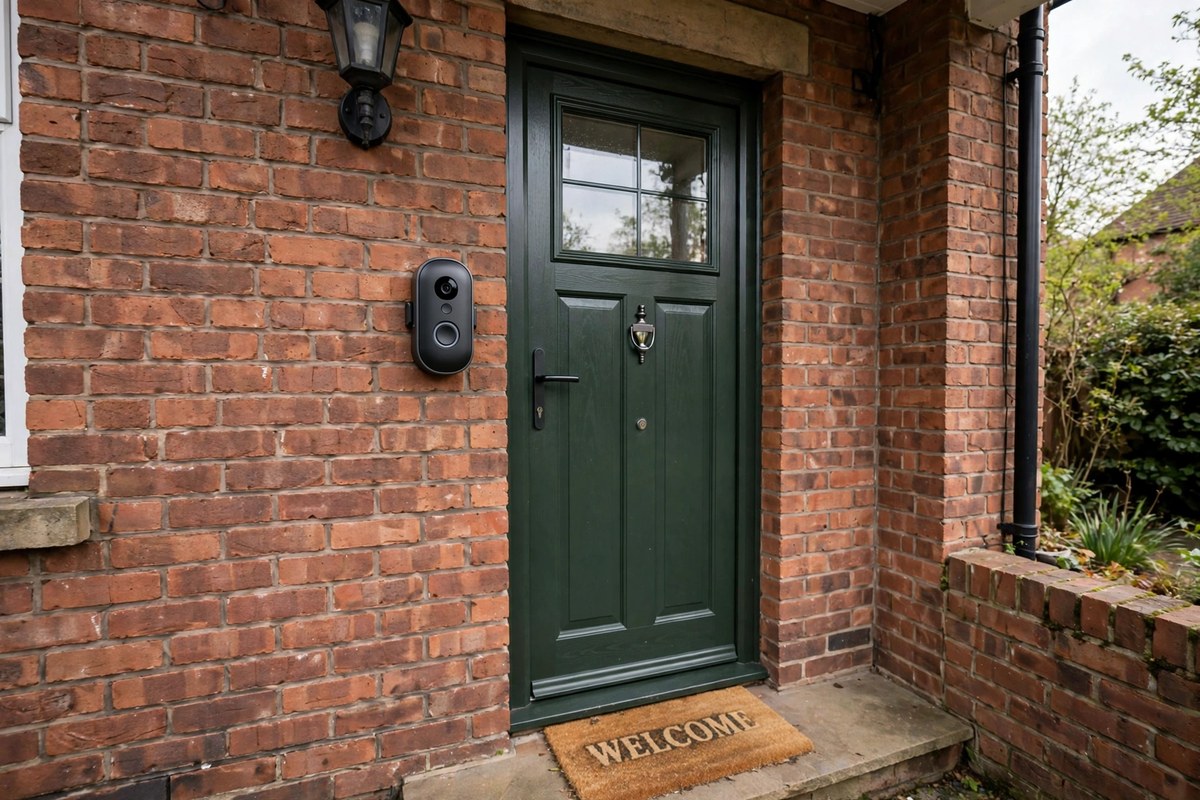
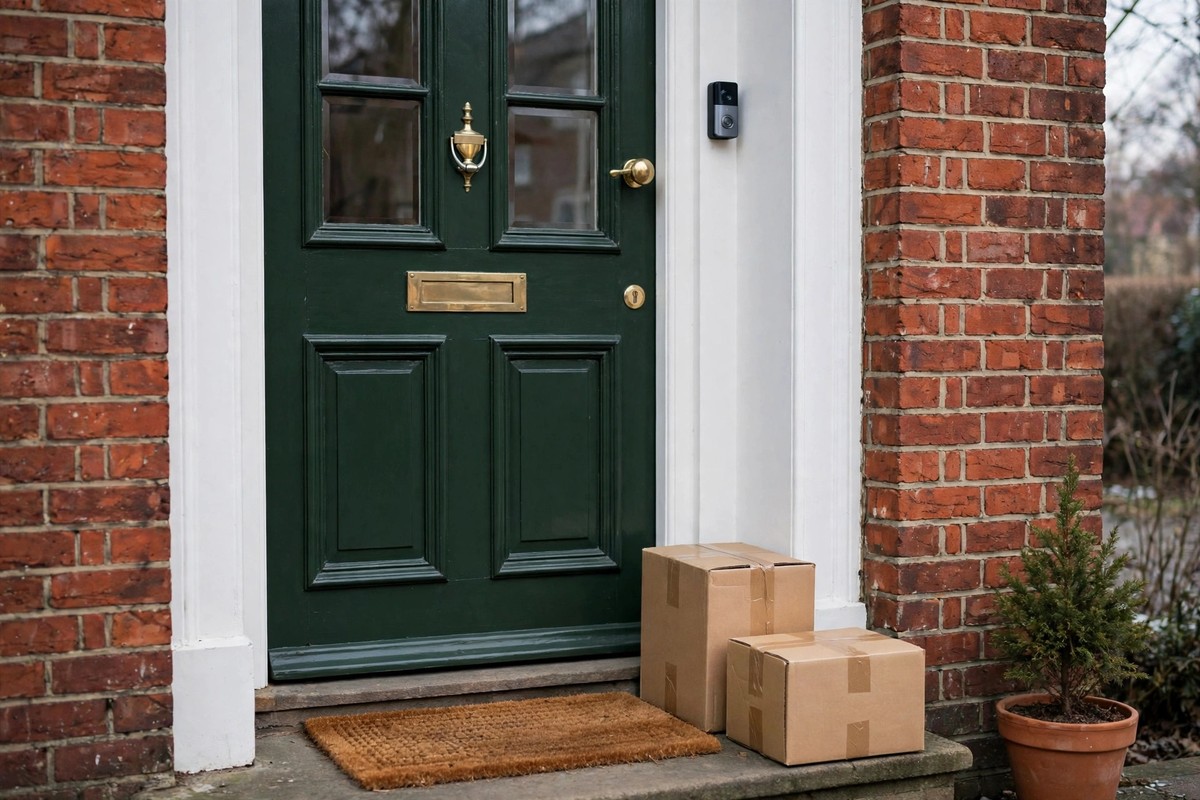
Ring Battery Video Doorbell 2K (2nd Gen). Video doorbells are the best-timed Black Friday buy of all, because parcel theft peaks between Black Friday and Christmas. The Ring Battery Video Doorbell 2K costs £79.99 on Ring’s UK site right now, and the bundle with an Indoor Camera is £109.99, down from £119.98. The doorbell records in 2K with a head-to-toe view, runs on a built-in rechargeable battery, and needs no doorbell wiring, so it fits rented homes as well as owned ones. The cost to watch is the subscription: Ring charges from £4.99 a month per device for cloud video history, which is £59.88 a year on top of the £79.99 doorbell. Without it you still get live view, motion alerts and two-way talk, but no saved clips. Wait for the doorbell under £60, or the bundle under £90. A doorbell watches the front step, but it does not replace alarms inside the house, so if you are building a security setup, read our guide to the best smart smoke and CO detector before you spend the rest of the budget.
TP-Link Tapo smart plugs. Smart plugs are the cheapest way into a smart home, and they are the category where Black Friday discounts go furthest. The Tapo P110, with energy monitoring, has a list price of £15 and sells for about £9 to £10 on Amazon UK right now. Its Matter version, the P110M, lists at £17 and fell to £10 in last year’s Black Friday sale. The Tapo P100 four-pack, without energy monitoring, is £28.99 at Amazon, down from £39.99. Buy these now rather than waiting: at £7 to £10 a plug, the saving from waiting is a few pounds, and the four-packs sell out. Put one on a lamp, one on the Christmas tree lights, one on a fan heater and one on the TV, and you have a smart home for under £30. The same logic applies to cheap sensors, and if you are weighing up leak detection, read our guide on whether a smart water leak detector is worth it.
Philips Hue starter kits. Hue is expensive at full price and heavily discounted in November, which makes it the best lighting buy of the sale. The Hue White starter kit, with a Bridge, two white bulbs and a Smart Button, costs £47.99 direct from Philips Hue. A single Hue White and Colour Ambiance B22 bulb is £53.99 on Amazon UK, and the three-bulb colour starter kit with a dimmer and Bridge starts at £139. The white starter kit at £47.99 is already good value, so buy it now. For colour bulbs, wait: Hue runs up to 45% off single items in its Black Friday sale, and the colour kits are where the big cuts land. Check that any kit you buy includes the Bridge, because colour bulbs need it for full smart control, and a bulb-only deal that forces you to buy a Bridge separately is no deal at all.
Hive Thermostat Mini and Yale Conexis L2. Thermostats and smart locks rarely get the headline discounts, but they do appear in bundles. The Hive Thermostat Mini starter kit costs £119, with professional installation typically around £100, and it is the cheapest way to get remote heating control and frost protection. For a full comparison before you buy, see our guide to the best smart thermostat in the UK. The Yale Conexis L2, the smart lock built for UK lift-to-lock multipoint uPVC doors, costs £289.99. It is the one lock to watch if you rent out a property or want keyless entry without replacing the door, and our guide to the best smart lock for renters explains why it fits UK doors when most US locks do not. Wait for a bundle or a drop of £30 or more on either one, and do not buy a lock that is not built for your door type, however large the discount.
What Are the Smart Home Black Friday Traps to Skip?
Four traps catch shoppers every year, and each one has a real example behind it.
The inflated RRP. This is the Samsung Jet Bot trick: a price that was only charged for a few weeks becomes the “was” price for a 30% discount. The Echo Dot is this year’s version. It cost £54.99 for years, rose to £79.99 in August 2026, and will now be advertised as half price at about £40. That is still a fair price for the speaker, but it is not the 50% saving the tag claims. Always compare against the price from three months ago, not the crossed-out number.
The old model in new packaging. Retailers clear last year’s models during Black Friday, and the model names make it hard to spot. A Ring Video Doorbell 3 or a 4th gen Echo Dot looks like a bargain until you find it no longer gets new features. Check the generation number on the box and on the manufacturer’s site, and compare it with the current model before you buy. If the listing hides the generation, that is your answer.
The subscription that costs more than the device. Cameras and doorbells are cheap to buy because the companies earn money from cloud plans. A Ring doorbell at £79.99 plus a subscription from £4.99 a month costs £139.87 in the first year, and £59.88 every year after. A Eufy or Reolink camera with local storage costs more upfront and nothing per month. Add up two years of total cost before you choose, and pick the camera whose free features cover what you actually need.
The no-name brand with no updates. Deal pages are crowded with off-brand cameras, plugs and bulbs that stop getting app updates a year after you buy them. A £15 camera that stops working when its app is abandoned is not a bargain. Stick to brands with a track record of supporting old devices: Amazon, Ring, Philips Hue, TP-Link, Google Nest and Yale. If you cannot find the brand’s support page or a firmware update from the last year, skip it.
What Should You Buy Now, and What Should You Wait For?
Here is the plan, with the prices we checked on 10 November 2026 and the target price for each pick:
| Product | Price now | Buy or wait | Target price |
|---|---|---|---|
| Echo Dot (5th gen) | £79.99 | Wait until 27 November | Under £35 |
| Echo Dot with Clock (5th gen) | £39.99 | Wait until 27 November | Under £35 |
| Ring Battery Video Doorbell 2K | £79.99 | Wait until 27 November | Under £60 |
| Tapo P110 smart plug | About £9 to £10 | Buy now | Already at target |
| Tapo P100 four-pack | £28.99 | Buy now | Already at target |
| Philips Hue White starter kit | £47.99 | Buy now | Already at target |
| Philips Hue colour bulbs | £53.99 per bulb | Wait until 27 November | Under £40 per bulb |
| Hive Thermostat Mini | £119 | Wait for a bundle | £99 or a free install |
| Yale Conexis L2 | £289.99 | Wait for a bundle | Under £260 |
A starter set of one Echo Dot, one Ring doorbell, a Tapo four-pack and a Hue White starter kit costs £236.96 at today’s prices. Bought at the target prices in the table, the same set costs £171.98, a saving of £64.98 for two weeks of patience. That is the whole trick to Black Friday: the saving comes from waiting for the right items, not from buying more items. Set a price alert on each product today, check the price on 27 November, and buy only the items that beat their target.

Conclusion
Smart home Black Friday deals are worth waiting for when you buy the right products at the right price. The Echo Dot, the Ring Battery Video Doorbell 2K, Tapo smart plugs and Philips Hue starter kits are the buys that genuinely drop, and the Which? research is the reason to check every price: 83% of the products it tracked were the same price or cheaper outside the Black Friday period. Buy the Tapo plugs and the Hue White starter kit now, wait until 27 November 2026 for the Echo Dot and the Ring doorbell, and skip inflated RRPs, old models, subscription traps and no-name brands. A starter set bought at target prices costs £171.98 instead of £236.96, and that £64.98 is the real Black Friday saving.
Frequently Asked Questions
Are smart home Black Friday deals worth waiting for?
Yes, for five categories: Amazon Echo speakers, Ring video doorbells, TP-Link Tapo smart plugs, Philips Hue starter kits, and smart home bundles. Those are the products that genuinely drop in price every November. For everything else, check the price history first, because Which? found that 83% of the products it tracked were the same price or cheaper outside the Black Friday period.
When is Black Friday 2026 in the UK?
Black Friday is Friday 27 November 2026, and Cyber Monday is Monday 30 November 2026. Early deals start at the beginning of November, and the deepest smart home cuts usually land between 19 and 30 November. Stock on popular models such as the Echo Dot and Ring doorbell can run out before the day itself, so set a price alert now and buy when the product hits your target price.
What is a good price for an Echo Dot on Black Friday?
Under £35 for the Echo Dot 5th gen or the Echo Dot with Clock. The 5th gen Dot lists at £79.99 after Amazon raised it from £54.99 in August 2026, and the Dot with Clock is £39.99 right now, down from £64.99. It fell to £31.99 in last year’s Black Friday sale, so £35 or less is a genuine deal. Do not be fooled by a 50% off tag on the new £79.99 price: that only takes it back to about £40.
Do Ring doorbells need a subscription after Black Friday?
No, a Ring doorbell works without a subscription, but with limits. You still get live view, motion alerts and two-way talk for free. Saving and reviewing recorded video needs a Ring subscription, which starts at £4.99 a month per device, or £59.88 a year. Add that to the £79.99 doorbell before you decide it is cheap, and compare it with cameras from Eufy or Reolink that store video locally with no monthly fee.
How do I spot a fake Black Friday smart home deal?
Check the price history on CamelCamelCamel or PriceSpy and compare the sale price with what the product cost in the last 90 days, not with the crossed-out “was” price. Check the exact model number at three retailers to catch old models dressed as deals. Add a full year of subscription costs to the price. And check the returns window, because a 14-day policy that ends before Christmas is a poor deal on a gift. If the price beats the 90-day low and the model is current, it is a real deal.