

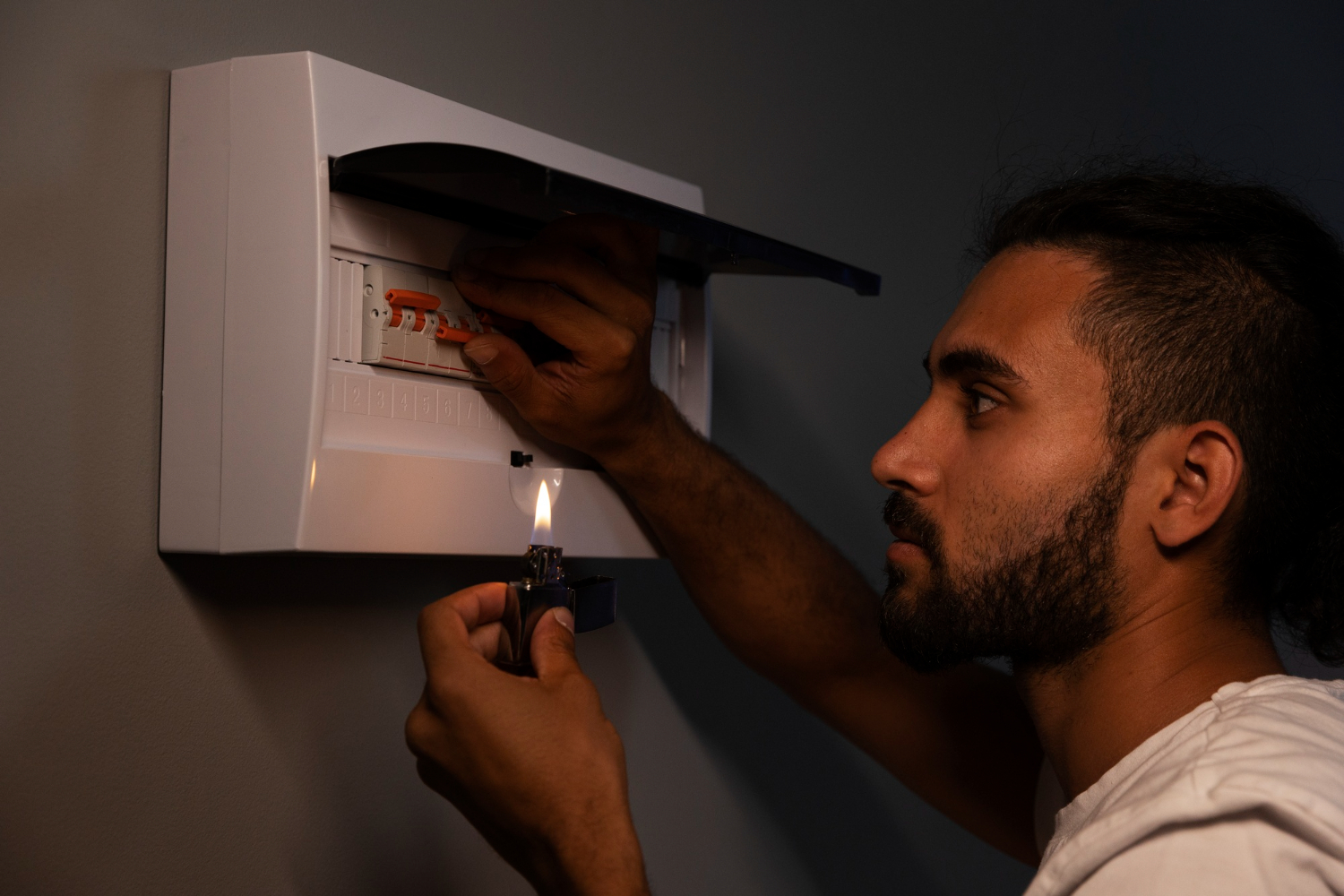
A faulty outlet near water is one of the most common causes of home electrocution.
That’s exactly why knowing how to install ground fault circuit interrupter outlets matters so much for homeowners and renters alike.
This guide walks you through the entire process clearly, safely, and in plain English, whether you’re upgrading a bathroom socket or wiring a new kitchen circuit.
Quick Answer
To install ground fault circuit interrupter outlets, switch off the breaker, confirm power is dead, connect the line wires to the LINE terminals, and the load wires (if any) to LOAD, then test the outlet.
What Is a GFCI Outlet, and Why Does It Matter?
A GFCI (ground fault circuit interrupter) outlet constantly monitors the flow of electricity between the hot and neutral wires.
If it senses even a tiny imbalance, perhaps current leaking through water or a person, it cuts power in milliseconds.
That speed is what separates a minor shock from a fatal one, which is why building codes require GFCIs in damp areas.
Where GFCI Outlets Are Required
- Bathrooms and kitchens (within six feet of a sink)
- Garages, basements and crawl spaces
- Outdoor outlets and laundry areas
- Anywhere near a pool, hot tub or spa
How to Install Ground Fault Circuit Interrupter Outlets (Step-by-Step)
Here’s the practical process most licensed electricians follow.
Tools and Materials Needed
- GFCI outlet rated for your circuit’s amperage
- Non-contact voltage tester
- Screwdriver and wire strippers
- Wall plate and wire connectors
Step-by-Step Installation
- Switch off the breaker for that circuit at the panel.
- Test for power using a non-contact voltage tester before touching any wires.
- Remove the old outlet by unscrewing the cover plate and the device itself.
- Identify the wires. Black is hot, white is neutral, and bare copper or green is ground.
- Connect to the LINE terminals first. These bring power into the GFCI outlet.
- Connect LOAD terminals only if you’re protecting downstream outlets on the same circuit.
- Attach the ground wire to the green screw.
- Tuck wires gently into the box and screw the outlet into place.
- Replace the cover plate, restore power, then press TEST and RESET to confirm it’s working.
If wiring feels unclear at any stage, it’s safer to call a licensed electrician than guess.
Benefits of Installing GFCI Outlets
- Cuts power within milliseconds during a ground fault
- Reduces electrocution risk in wet or damp areas
- Meets National Electrical Code (NEC) requirements
- Often required for home insurance and resale compliance
- Protects multiple downstream outlets from one device
Practical Examples and Real-Life Use Cases
A homeowner replacing a 1980s bathroom socket will usually find no GFCI protection at all, since older homes predate the code change.
In garages, GFCI outlets protect power tools used near concrete floors, which conduct electricity readily when damp.
Outdoor kitchens and patios increasingly use weatherproof GFCI outlets, reflecting how outdoor living spaces have expanded since 2020.
Latest Industry Statistics and Trends
The National Electrical Code first required GFCI protection in bathrooms back in 1975, later extending it to kitchens, garages and outdoor spaces.
According to the Electrical Safety Foundation International (ESFI), ground fault circuit interrupters are estimated to prevent the majority of home electrocutions linked to faulty wiring or appliances.
Smart GFCI outlets with app monitoring are a growing trend, letting homeowners track circuit faults remotely rather than discovering a tripped outlet by accident.
Common Mistakes to Avoid
- Reversing LINE and LOAD wires, which stops the outlet protecting downstream sockets
- Skipping the voltage test, assuming the breaker label is accurate
- Forcing wires into a crowded box, risking loose connections later
- Using a standard outlet instead of GFCI in required wet-zone locations
- Not testing monthly, since GFCIs can fail silently over time
Expert Tips for a Safer Installation
Always match the GFCI outlet’s amperage rating to the circuit breaker, typically 15A or 20A.
Label the cover plate “GFCI Protected” if it’s covering downstream outlets, so future electricians understand the wiring layout instantly.
Test every GFCI outlet monthly using the built-in buttons; this single habit catches failures before they become dangerous.
Key Takeaways
- GFCI outlets cut power instantly when they detect a ground fault
- Always turn off the breaker and test for power before starting
- LINE terminals carry power in; LOAD terminals protect downstream outlets
- Required by code in kitchens, bathrooms, garages and outdoor areas
- Test monthly and replace immediately if the TEST button doesn’t trip power
Conclusion
Learning how to install ground fault circuit interrupter outlets is one of the most valuable, safety-focused upgrades any homeowner can make.
It’s a manageable DIY task for anyone comfortable with basic wiring, though hiring a licensed electrician is always the safer route if you’re uncertain.
Either way, once you understand how to install ground fault circuit interrupter outlets correctly, you’ll have added real, lasting protection to your home.
Frequently Asked Questions
1.Do I need a GFCI outlet in every room?
No, they’re required mainly in kitchens, bathrooms, garages, basements and outdoor areas near water.
2.Can I install a GFCI outlet myself?
Yes, if you’re confident with basic wiring; otherwise, hire a licensed electrician for safety.
3.What’s the difference between LINE and LOAD wiring?
LINE brings power into the outlet; LOAD passes protection on to other outlets downstream.
4.How often should I test a GFCI outlet?
Test it monthly using the built-in TEST and RESET buttons to confirm it’s still working.
5.Why does my new GFCI outlet keep tripping?
This usually points to a wiring fault, moisture, or a faulty appliance on that circuit.