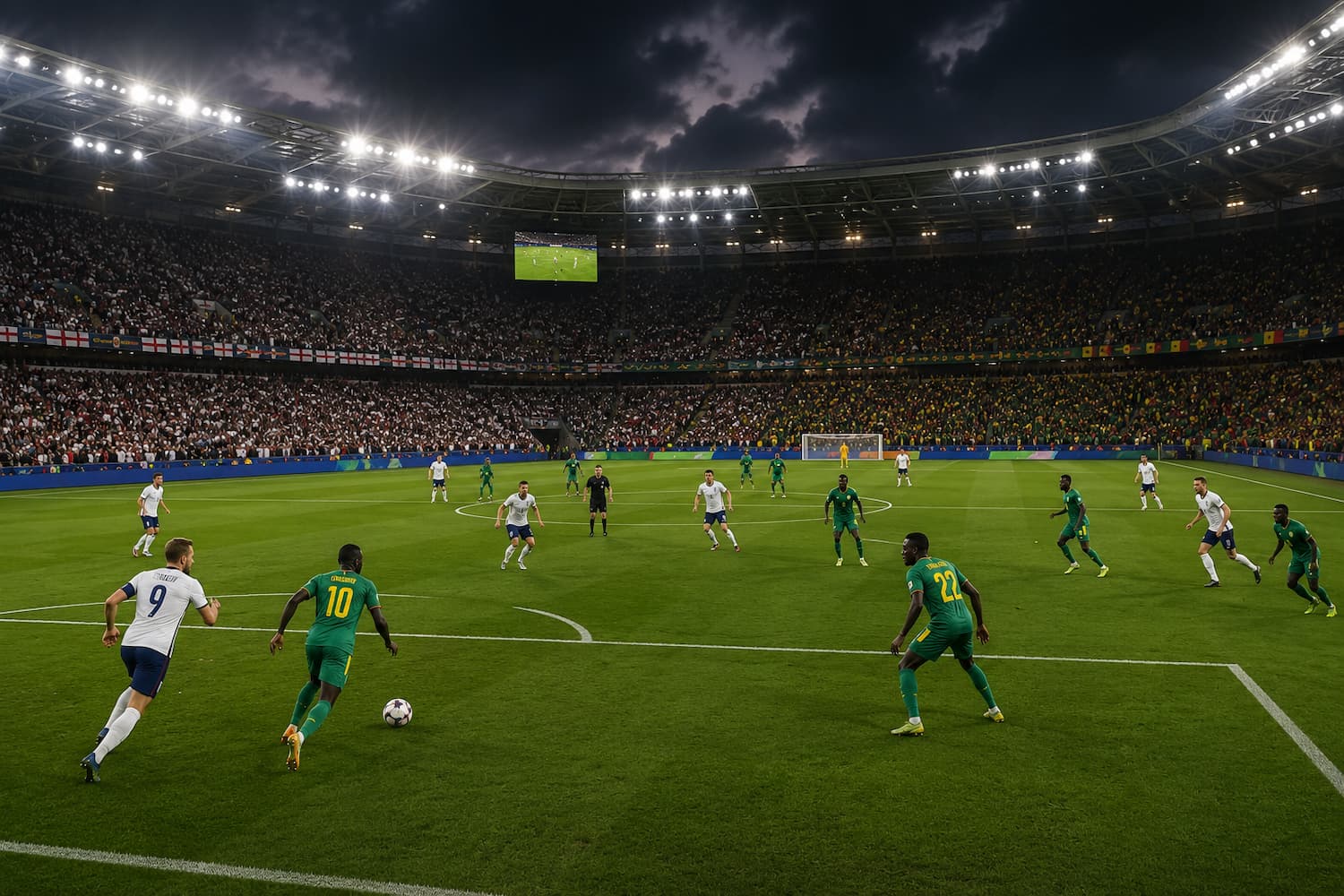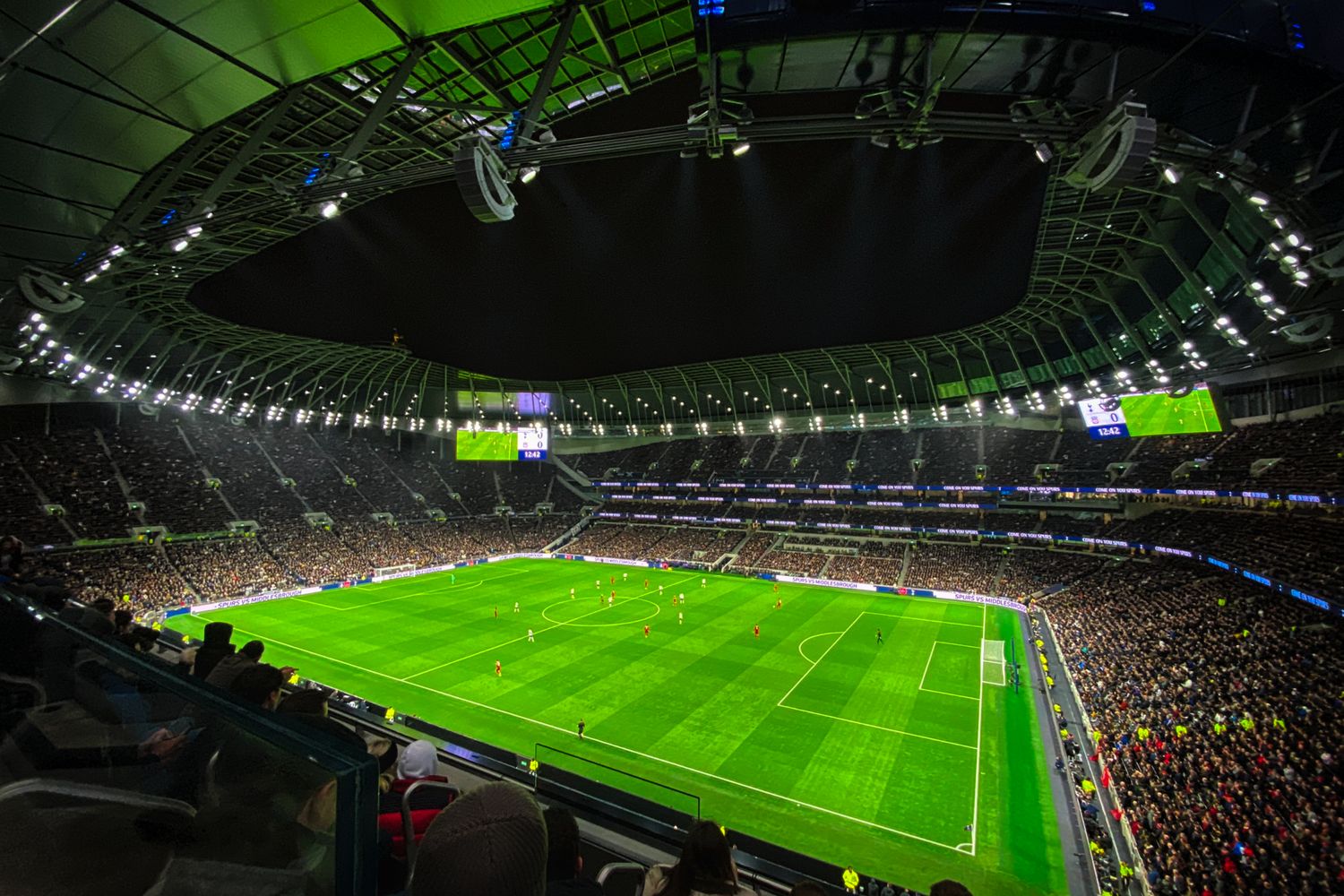


If you are searching for the most played sports in the world, football is the clear overall leader, followed by sports such as cricket, basketball, volleyball, tennis, and table tennis. However, there is an important distinction between the world’s most played sports and the world’s most popular sports because global participation data is not measured consistently across every sport.
Some rankings count estimated fans, while others consider players, viewers, countries where a sport is played, or a combination of several indicators.
This guide explains the difference and provides a practical, evidence-based ranking of the most played sports in the world, including their global reach, major regions, international competitions, and reasons for their popularity.
Quick Answer: What Are the Most Played Sports in the World?
The sports most commonly found near the top of global participation and popularity rankings are:
- Football (Soccer)
- Cricket
- Basketball
- Volleyball
- Tennis
- Table Tennis
- Hockey
- Baseball
- Rugby
- Golf
However, this is a global reach and participation-informed ranking, not a claim that exactly the same number of people play each sport.
There is no single worldwide database that records every recreational, school, amateur and professional participant across every sport. That is why published rankings can differ considerably.
For example, some sources place hockey above tennis, while others place basketball much higher. Those differences usually come from the definition of “popular” and the data used.
Most Played Sports in the World Ranking
| Rank | Sport | Global Reach | Major Regions |
| 1 | Football (Soccer) | Extremely high | Europe, Africa, Asia, Americas |
| 2 | Cricket | Extremely high | South Asia, UK, Australia, Caribbean |
| 3 | Basketball | Very high | North America, Europe, Asia, Africa |
| 4 | Volleyball | Very high | Europe, Asia, South America, North America |
| 5 | Tennis | Very high | Europe, Americas, Asia, Australia |
| 6 | Table Tennis | Very high | Asia, Europe, Africa, Americas |
| 7 | Hockey | Very high | Asia, Europe, North America, Oceania |
| 8 | Baseball | High | North America, Japan, Caribbean, East Asia |
| 9 | Rugby | High | Europe, Oceania, South Africa, parts of Asia |
| 10 | Golf | High | North America, Europe, Asia, Oceania |
The exact order beyond the leading sports can change depending on whether the ranking prioritises participation, fans, television audiences, geographic distribution or organised competition.
1. Football (Soccer)
Football is the strongest candidate for the title of the most played sports in the world.
It is played professionally, semi-professionally, recreationally and informally across virtually every region.
One reason football has such a massive global footprint is accessibility. A formal pitch is not always necessary. People can play on grass, artificial surfaces, streets, school grounds and small-sided courts.
Football also has an enormous professional ecosystem.
The FIFA World Cup, UEFA Champions League, Copa Libertadores, Premier League, La Liga and other competitions give the sport year-round international visibility.
Why football is so popular
- Easy to understand
- Can be played with relatively little equipment
- Suitable for different ages and skill levels
- Strong school and community participation
- Professional leagues exist across continents
- Huge international tournaments
- Strong cultural identity in many countries
Football’s combination of accessibility, participation and worldwide competition makes it difficult for another sport to challenge its overall global position.
Several current rankings estimate football’s global fan base at roughly 3.5 to 4 billion people, although these are fan estimates, not verified player counts.
Football vs Soccer
The sport is generally called football in most of the world and soccer in countries where “football” commonly refers to another code.
For search purposes, both terms are important.
Relevant semantic terms include:
- association football
- soccer
- football players
- FIFA
- World Cup
- professional football
- football leagues
- international football
2. Cricket
Cricket is one of the world’s biggest sports by fan following and participation.
Its strongest traditional markets include India, Pakistan, Bangladesh, Sri Lanka, England, Australia, South Africa, New Zealand and the West Indies.
The sport has also expanded its international presence through shorter formats such as T20 cricket.
Major competitions include:
- ICC Cricket World Cup
- ICC T20 World Cup
- Indian Premier League
- The Ashes
- Big Bash League
- Pakistan Super League
- Caribbean Premier League
Current global popularity estimates place cricket commonly at around 2.5 billion fans, although this figure represents estimated interest rather than a verified count of people who actively play the sport.
Why cricket has such a large following
Cricket combines deep sporting traditions with modern short-format competitions.
A five-day Test match, a one-day international and a T20 match can appeal to very different audiences.
South Asia is particularly important to cricket’s global popularity because of its huge population and strong cricket culture.
3. Basketball
Basketball is one of the world’s most widely recognised team sports.
It has a particularly strong presence in the United States, China, the Philippines, Europe, Latin America and parts of Africa.
The sport benefits from relatively simple equipment requirements. A ball and hoop are enough to create a basic playing environment.
The NBA has also helped basketball develop a powerful international media presence.
Other important competitions include:
- FIBA Basketball World Cup
- Olympic basketball
- WNBA
- EuroLeague
- NCAA basketball
Some recent popularity rankings place basketball as high as third globally, with estimates exceeding 2 billion followers. Other datasets give considerably lower numbers. This is another example of why fan estimates should not be presented as exact participation figures.
4. Volleyball
Volleyball deserves special attention when discussing the most played sports in the world because its global participation footprint is substantial.
The sport can be played indoors, outdoors and on beaches.
It is common in schools, universities, clubs, recreational leagues and international competitions.
FIVB states that around 800 million people worldwide are connected with volleyball. The organisation has also set an ambition to grow that global movement to 1.6 billion people by 2032.
Volleyball’s global governing structure includes national federations across virtually every region.
Major forms of volleyball
- Indoor volleyball
- Beach volleyball
- Sitting volleyball
- Snow volleyball
Beach volleyball is particularly important because it has helped the sport reach audiences outside traditional indoor competition.
5. Tennis
Tennis is one of the world’s most internationally distributed individual sports.
Unlike many team sports, tennis can be played recreationally with only a few people, which helps it appeal to a wide range of ages.
The sport is particularly visible through the four Grand Slam tournaments:
- Australian Open
- French Open
- Wimbledon
- US Open
Tennis also has strong professional tours, national competitions, junior development, and recreational clubs.
Some global popularity sources estimate approximately 1 billion tennis fans, but again, this should not be confused with the number of active players.
6. Table Tennis
Table tennis has an enormous international footprint despite requiring less playing space than many outdoor sports.
It is especially popular across Asia and Europe and is also widely played recreationally.
The sport is known for:
- Fast rallies
- Relatively inexpensive equipment
- Indoor play
- Singles and doubles formats
- Easy recreational access
- Strong competitive pathways
The International Table Tennis Federation describes the sport as being played by millions around the world. In 2026, ITTF is also celebrating its centenary, highlighting the sport’s long international development.
China has been particularly influential in elite table tennis, but the sport’s participation extends far beyond one country.
7. Hockey
Hockey is a complicated category because field hockey and ice hockey are different sports, even though they share the hockey name.
This distinction is important when comparing global popularity.
Field hockey
Field hockey has a particularly strong presence in:
- India
- Pakistan
- Netherlands
- Belgium
- Germany
- Australia
- Argentina
- England
Ice hockey
Ice hockey is especially important in:
- Canada
- United States
- Finland
- Sweden
- Czechia
- Switzerland
- Russia
Some popular-sport rankings combine field and ice hockey, producing very large estimated audience figures. Other rankings separate them.
Therefore, a responsible ranking should not treat a combined “hockey” number as if it represents one unified sport.
8. Baseball
Baseball has a strong but more regionally concentrated global audience.
Its major markets include:
- United States
- Japan
- South Korea
- Taiwan
- Cuba
- Dominican Republic
- Puerto Rico
- Venezuela
- Mexico
Major competitions include Major League Baseball and the World Baseball Classic.
Baseball’s participation is particularly strong in countries where organised youth and school systems support the sport.
It also has a substantial professional pathway for athletes in North America and East Asia.
Current popularity estimates commonly put baseball’s global following around 500 million people, although estimates vary by methodology.
9. Rugby
Rugby has a smaller worldwide fan base than football or cricket, but it has a powerful international presence.
The strongest rugby nations include:
- New Zealand
- South Africa
- England
- France
- Ireland
- Wales
- Scotland
- Australia
- Argentina
The Rugby World Cup is the sport’s biggest international tournament.
Rugby also has multiple formats, including:
- Rugby union
- Rugby sevens
- Rugby league
This variety helps the sport appeal to different audiences.
Rugby sevens is particularly useful for international growth because its shorter format works well for tournament schedules and Olympic competition.
10. Golf
Golf is one of the world’s most established individual sports.
It has particularly strong markets in:
- United States
- United Kingdom
- Japan
- South Korea
- Australia
- Canada
- Europe
Major events include:
- The Masters
- PGA Championship
- US Open
- The Open Championship
- Ryder Cup
Golf requires more specialised facilities than football, basketball or table tennis, which limits casual access in some regions.
Nevertheless, its international professional circuit and large recreational community make it one of the world’s major sports.
Most Played vs Most Popular Sports: What’s the Difference?
This is one of the most important questions surrounding global sports rankings.
Most played usually refers to participation.
Most popular usually refers to how many people follow, support, or identify with a sport.
Most watched refers to audiences consuming competitions through television, streaming or other media.
These measurements can produce very different rankings.
For example, a sport can have hundreds of millions of fans but relatively fewer active players because participation requires expensive facilities or specialised equipment.
Another sport might be played casually by huge numbers of people but have a smaller professional media audience.
Why Sports Rankings Disagree
There are several reasons.
Different definitions
One website might count fans.
Another might count participants.
Another might measure television audiences.
A fourth might combine all three.
Recreational participation is difficult to measure
Millions of people play sports casually without belonging to a club or federation.
A person who plays football every weekend with friends may never appear in an official participation database.
Sports organisations use different methodologies.
Some governing bodies report people connected to their sport, while others report registered athletes or members.
FIVB, for example, currently uses the broader concept of people “connected” to volleyball rather than claiming that all 800 million are registered competitive players.
Countries collect different data.
A sport’s participation survey in one country may use a completely different methodology from another country’s survey.
This makes a perfect worldwide comparison difficult.
What Is the Most Played Sport in the World?
Football is generally the best answer to this question.
It has an exceptional combination of:
- Worldwide participation
- Global professional leagues
- Youth participation
- Recreational play
- International competitions
- Low equipment requirements
- Strong cultural presence
However, it is more accurate to say football is the world’s leading sport by overall global reach and popularity than to claim that an exact number of people play it.
That distinction makes the answer more trustworthy.
What Is the Most Popular Sport in the World?
Football is also generally considered the world’s most popular sport.
Multiple global rankings place it first, with estimated fan numbers around 3.5 billion or more.
The exact number depends on how researchers define a “fan”.
For that reason, an article should avoid presenting a single fan estimate as an independently verified fact.
Which Sport Is Played in the Most Countries?
Football has one of the broadest geographic footprints in organised sport.
FIFA’s global network of national associations reflects the sport’s international reach.
Athletics also has an exceptionally broad international structure. World Athletics currently represents 214 member federations and describes athletics as one of the world’s most universal sports.
This is an important point because global reach and number of participants are not the same measurement.
Most Popular Sports by Region
A worldwide ranking can hide major regional differences.
South Asia
The biggest sports include:
- Cricket
- Football
- Field hockey
- Badminton
- Kabaddi
Cricket has an especially strong cultural and commercial presence in India, Pakistan, Bangladesh and Sri Lanka.
Europe
Popular sports include:
- Football
- Tennis
- Basketball
- Volleyball
- Rugby
- Athletics
- Cycling
Football is particularly dominant across many European countries.
North America
Major sports include:
- Basketball
- American football
- Baseball
- Ice hockey
- Soccer
- Golf
The United States and Canada demonstrate why a regional ranking can look very different from a global one.
Latin America
Football dominates much of Latin America.
Other important sports include:
- Baseball
- Basketball
- Volleyball
- Tennis
- Boxing
East Asia
East Asia has strong participation and fan bases for:
- Table tennis
- Basketball
- Baseball
- Football
- Badminton
- Volleyball
China is particularly important in table tennis and basketball, while Japan and South Korea have major baseball cultures.
Oceania
Australia and New Zealand have strong traditions in:
- Rugby
- Cricket
- Football
- Tennis
- Australian rules football
- Golf
Most Played Team Sports in the World
If you are specifically looking for team sports, the leading global group includes:
- Football
- Cricket
- Basketball
- Volleyball
- Hockey
- Baseball
- Rugby
These sports differ substantially in their rules, playing environments, and participation structures.
Football and volleyball, for example, can be adapted to relatively simple recreational settings, while ice hockey requires specialised facilities and equipment.
| Also Read: What Is the Most Dangerous Sport |
Most Popular Individual Sports in the World
Important individual sports include:
- Tennis
- Golf
- Athletics
- Swimming
- Boxing
- Badminton
- Table tennis
Athletics is particularly difficult to compare with conventional sports because it contains many disciplines, including running, jumping, throwing, road racing, cross-country and race walking. World Athletics describes athletics as covering participation from grassroots activities through elite international competition.
What Makes a Sport Popular Worldwide?
Several factors influence global sports popularity.
Accessibility
A sport becomes easier to spread when people can participate without expensive equipment.
Cost
Low-cost sports often have an advantage in schools and communities.
Facilities
A sport requiring specialised facilities may have a smaller participation footprint.
Culture
Family traditions and national identity can strongly influence sports participation.
International competitions
World Cups, Olympic events and major championships expose sports to new audiences.
Media coverage
Television, streaming and social media can rapidly expand a sport’s audience.
Youth participation
Sports introduced in schools often develop long-term participation.
Professional pathways
Strong leagues give young athletes a reason to continue developing their skills.
Why Football Remains Number One
Football’s biggest advantage is its simplicity.
You can play a basic version with:
- A ball
- An open space
- A few players
You do not need a full stadium.
You do not need expensive protective equipment.
You do not even need a perfectly marked pitch.
That flexibility makes football exceptionally easy to adopt across different cultures and economic environments.
Its professional ecosystem then reinforces that grassroots popularity.
A child can play football locally and later follow international stars, clubs and national teams through global media.
Are the Most Popular Sports Changing?
Yes.
Global sports popularity is not fixed.
Digital media has reduced some of the geographic barriers that previously limited sports to particular regions.
Basketball, for example, has expanded strongly through international leagues, social media and global NBA exposure.
Volleyball is also actively targeting global growth. FIVB says its strategic vision aims to increase the number of people connected with volleyball from around 800 million to 1.6 billion by 2032.
Short-format competitions are another major trend.
T20 cricket, rugby sevens and 3×3 basketball demonstrate how sports can adapt their formats to modern audiences.
How We Ranked the Most Played Sports
Because there is no single global participation database covering every sport with identical methodology, this ranking uses a multi-factor approach.
The factors considered are:
- Global participation evidence
- International geographic reach
- Recreational accessibility
- Youth and grassroots presence
- Professional ecosystem
- International federation footprint
- Estimated global fan base where useful
- Major international competitions
- Consistency across multiple published rankings
This is more useful than simply copying a list of estimated fan numbers.
For example, current rankings disagree on the position of basketball and hockey depending on methodology. TopEndSports’ historical meta-analysis places football first and basketball second, while other current rankings place cricket second and basketball third.
That disagreement is evidence that there is no universally accepted single numerical ranking.
The 10 Most Played Sports at a Glance
| Rank | Sport | Main Strength |
| 1 | Football | Worldwide accessibility and reach |
| 2 | Cricket | Massive participation and fan base in South Asia and beyond |
| 3 | Basketball | Strong global youth and professional growth |
| 4 | Volleyball | Broad recreational and international participation |
| 5 | Tennis | Global individual-sport reach |
| 6 | Table Tennis | Easy indoor access and strong international participation |
| 7 | Hockey | Strong field and ice hockey traditions |
| 8 | Baseball | Major North American and East Asian presence |
| 9 | Rugby | Strong international regional cultures |
| 10 | Golf | Huge recreational and professional ecosystem |
Final Thoughts
The most played sports in the world cannot be ranked perfectly using one universal number because global participation is measured differently from sport to sport.
Even so, football clearly stands out for its combination of worldwide reach, accessibility, grassroots participation, professional competition and cultural influence.
Cricket, basketball, volleyball, tennis and table tennis also have enormous global communities, while hockey, baseball, rugby and golf maintain powerful international followings.
The most useful way to understand global sports popularity is not to ask only which sport has the biggest number. Look at who plays it, where it is played, how accessible it is, how many countries participate, and how strongly the sport connects with fans.
For more helpful insights, explore our latest articles and discover new ways to grow your business online.
Frequently Asked Questions
1. What are the most played sports in the world?
The most widely played and globally recognised sports include football, cricket, basketball, volleyball, tennis, table tennis, hockey, baseball, rugby and golf. Football is generally considered the world’s leading sport by overall global reach.
2. What is the most played sport in the world?
Football, also known as soccer or association football, is generally regarded as the world’s most played and popular sport. Its combination of accessibility, international participation, and global competitions gives it an unmatched worldwide footprint.
3. Is cricket more popular than football?
No. Football generally has a larger global following and broader geographic reach. Cricket is an enormous sport, particularly across South Asia, Australia, the UK and parts of the Caribbean, but football has a more evenly distributed global presence. Current estimates commonly place football at around 3.5 billion fans and cricket around 2.5 billion, although these are estimates rather than verified player counts.
4. What are the top 5 most played sports in the world?
A practical global ranking puts football, cricket, basketball, volleyball and tennis in the top five. The exact order can change depending on whether participation, fans, viewing figures or geographic reach is used as the main measurement.
5. Why do rankings of the most played sports differ?
Rankings differ because there is no single worldwide system for measuring sports participation. Some sources count fans, some count active participants, and others combine participation, viewership, geographic reach, and cultural influence. Therefore, rankings should be treated as informed comparisons rather than exact scientific measurements.