
Introduction
Maintaining your vehicle’s fluids is one of the most essential aspects of car ownership, yet many drivers overlook this crucial task. Understanding how to check car fluids can save you thousands in repairs, prevent breakdowns on the road, and extend your vehicle’s lifespan significantly.
Whether you’re a new car owner or simply want to take better control of your vehicle’s maintenance, learning how to check car fluids is straightforward and takes just a few minutes. This guide will walk you through each fluid check with clear instructions and practical tips you can use immediately.
Quick Answer
To check car fluids, open your bonnet, locate each fluid reservoir, pull the dipstick or check the fluid level indicator, compare against the minimum and maximum marks, and top up if needed. The process takes 5-10 minutes and requires no special tools.
Why Checking Car Fluids Matters
Your vehicle depends on several critical fluids to operate safely and efficiently. Engine oil lubricates moving parts, coolant prevents overheating, brake fluid enables stopping power, and transmission fluid keeps gears shifting smoothly.
Ignoring fluid levels is like ignoring warning signs from your body. Small issues become expensive problems. Regular fluid checks help you catch problems early before they cause damage.
The Essential Fluids to Check
Engine Oil: The Lifeline of Your Engine
Engine oil is arguably the most important fluid your car needs. It lubricates engine components, reduces friction, and carries away heat and contaminants.
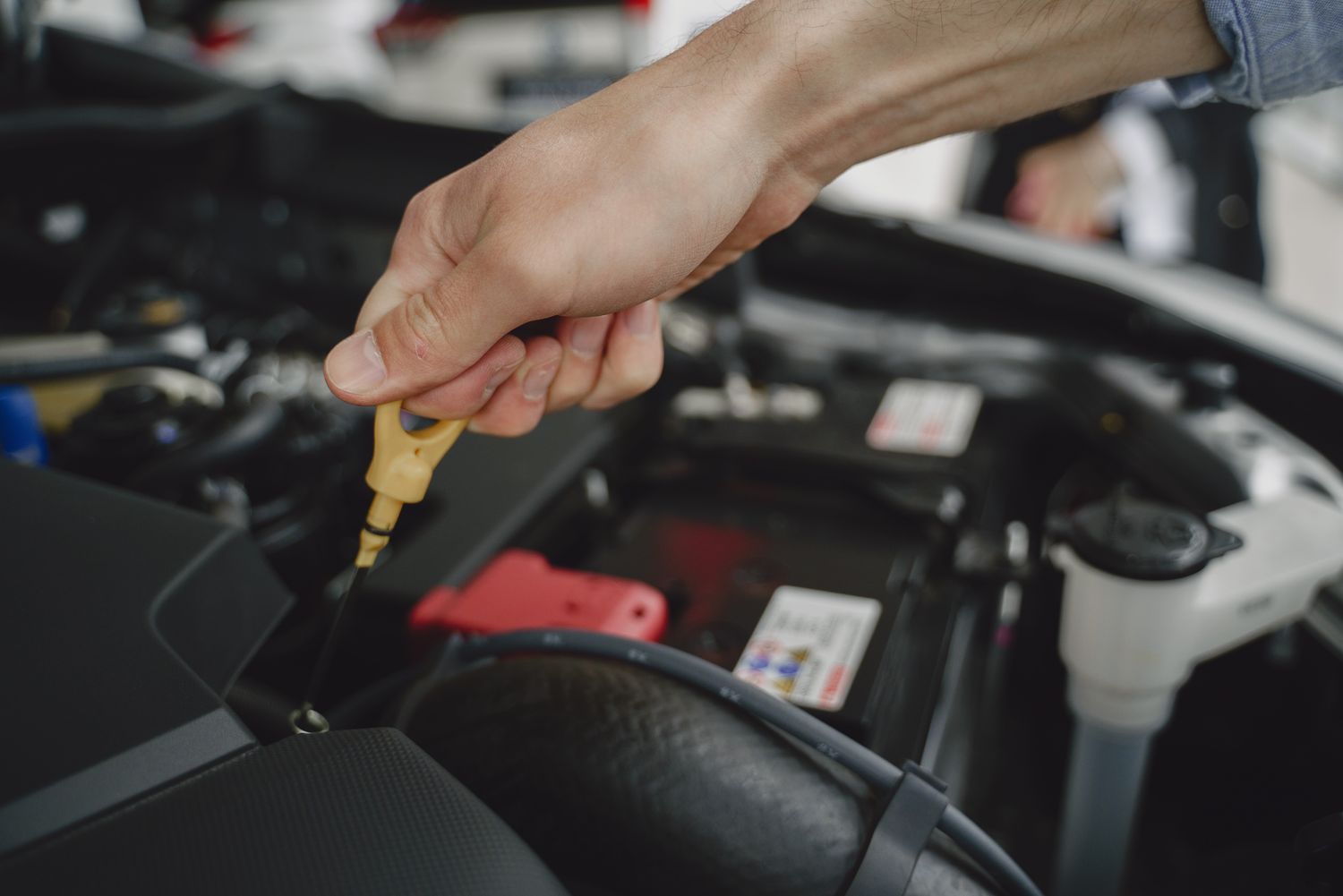
To check your engine oil, start with a cold engine or wait five minutes after driving. Pull the dipstick, wipe it clean with a lint-free cloth, reinsert it fully, then pull it out again to read the level. The oil should sit between the minimum and maximum markers.
Dark or dirty-looking oil suggests it’s time for an oil change. If your oil level is low, top up with the correct grade specified in your owner’s manual.
Coolant: Preventing Overheating
Coolant circulates through your engine to absorb heat and prevent overheating. Never open the coolant reservoir when the engine is hot, as pressurised coolant can cause burns.
Check coolant level when the engine is cold by looking at the translucent coolant tank. Most modern vehicles have minimum and maximum lines marked on the side. If levels are low, top up with a 50/50 mix of coolant and distilled water, or use pre-mixed coolant.
Brake Fluid: Your Stopping Power
Brake fluid is crucial for safe braking. Locate the brake fluid reservoir, typically a translucent plastic container in the engine bay, and check the fluid level against the marked indicators.
Brake fluid should never fall below the minimum line. If it’s low repeatedly, this could indicate a leak requiring immediate professional attention.
Transmission Fluid: Smooth Gear Changes
Transmission fluid enables smooth gear shifts and protects your transmission. Some vehicles have sealed transmissions requiring professional checks, while others have a dipstick similar to engine oil.
With the engine running and the car in neutral or park, pull the transmission fluid dipstick, wipe it, reinsert it, then check the level. Transmission fluid should be bright red and not smell burnt.
Power Steering Fluid: Easy Steering
Power steering fluid allows you to turn the wheel smoothly with minimal effort. Locate the power steering reservoir and check the fluid level against the indicator marks.
Low power steering fluid can make steering difficult and may indicate a leak that needs professional inspection.
Step-by-Step: How to Check Car Fluids Correctly
Step 1: Prepare Your Vehicle Park on a level surface and allow the engine to cool for at least five minutes. Safety comes first, and hot fluids cause serious burns.
Step 2: Open the Bonnet Release the bonnet latch inside your car, then lift and secure it open. Familiarise yourself with the engine layout using your owner’s manual.
Step 3: Locate Each Fluid Reservoir Your owner’s manual has a diagram showing exactly where each fluid is located. Make notes if you plan to check fluids regularly.
Step 4: Check Levels Systematically Start with engine oil, then move to coolant, brake fluid, transmission fluid, and power steering fluid. Taking a systematic approach prevents missed fluids.
Step 5: Top Up If Needed Always use the correct fluid type for your vehicle. Using the wrong fluid can damage your car and void warranties.
Step 6: Secure Everything Replace all caps and dipsticks, then close the bonnet securely.
Common Mistakes When Checking Car Fluids
Many drivers check hot engines, which gives false readings and risks burns. Always wait for your engine to cool.
Using the wrong fluid type is surprisingly common. Diesel engines need diesel-specific fluids, and mixing fluid types can cause serious damage.
Ignoring warning lights is dangerous. If your dashboard shows a fluid warning, check immediately rather than waiting for your scheduled maintenance.
Overfilling reservoirs causes fluid to overflow when the engine heats up and can damage engine components. Fill only to the maximum line.
Expert Tips for Fluid Maintenance
Check your fluids monthly or before long journeys. Regular checks catch problems early and build your confidence as a car owner.
Keep receipts when purchasing fluids. If you encounter issues, these prove what fluid was used and help mechanics diagnose problems accurately.
Understand your vehicle’s fluid change intervals. Oil typically needs changing every 5,000-10,000 miles, while other fluids have different schedules.
Consider seasonal checks more often. Winter driving stresses your vehicle, making regular fluid checks even more important during cold months.
Latest Industry Statistics
According to recent automotive maintenance studies, drivers who check fluids regularly reduce unexpected breakdowns by up to 60%. The Car Care Council reports that proper fluid maintenance extends vehicle lifespan by an average of 2-3 years.
A survey by the American Automobile Association found that 25% of vehicles on the road today have at least one serious fluid-related issue. Regular checking prevents your vehicle from becoming a statistic.
Real-Life Example
Sarah, a first-time car owner, learned to check car fluids using her manual and YouTube guides. Within her first year of ownership, she caught a slow coolant leak before it became serious. By addressing it early, she saved £800 in potential engine damage. Now she checks her fluids monthly as part of her routine vehicle care.
Key Takeaways
- Check car fluids monthly to maintain vehicle health
- Always allow your engine to cool before checking
- Use the correct fluid type for your specific vehicle
- Keep detailed records of all fluid checks and top-ups
- Learn to check car fluids as a basic car maintenance skill
Conclusion
Learning how to check car fluids is an essential skill that pays dividends throughout your vehicle ownership. By spending just ten minutes each month checking your engine oil, coolant, brake fluid, transmission fluid, and power steering fluid, you prevent expensive repairs and keep your car running reliably.
The investment in learning this basic skill is minimal, but the benefits are substantial. Start today by opening your bonnet, consulting your owner’s manual, and performing your first fluid check. Your vehicle will thank you.
Frequently Asked Questions
1.How often should I check my car fluids?
Check your fluids at least monthly, and always before long journeys or seasonal changes.
2.Can I check fluids when the engine is warm?
No, always allow at least five minutes for the engine to cool. Hot fluids give inaccurate readings and present burn hazards.
3.What should I do if a fluid level drops quickly?
Quick fluid loss indicates a leak. Have your vehicle inspected by a mechanic immediately to prevent serious damage.
4.Is it safe to check car fluids myself?
Yes, it’s completely safe when done correctly. Just allow the engine to cool and avoid touching hot components.
5.Which fluid is most important to check regularly?
Engine oil is the most critical, but all fluids require regular monitoring for optimal vehicle health and safety.