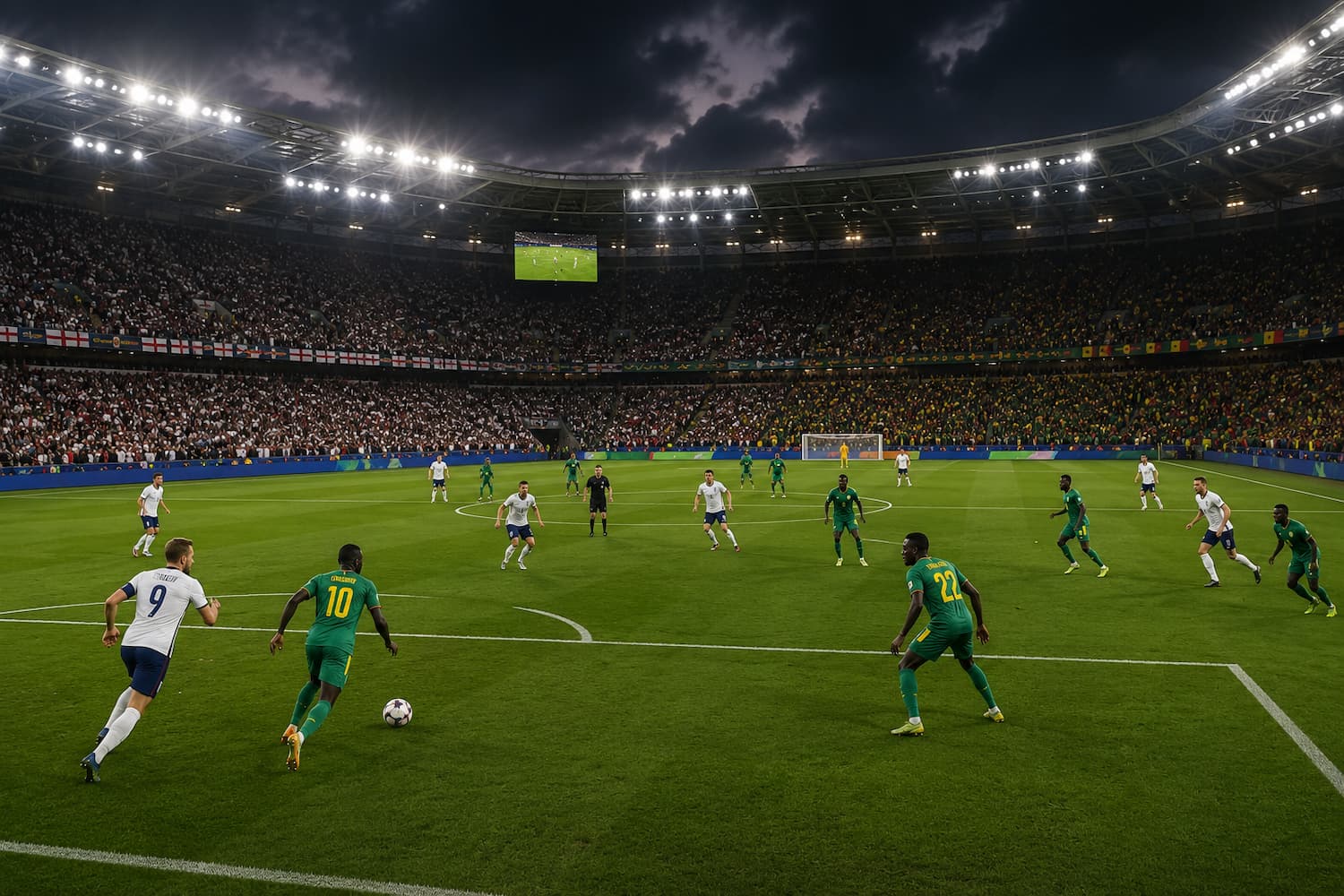

Football fans often focus on rankings, star players, and past achievements when comparing national teams. However, recent form is usually the best indicator of how a team might perform in upcoming matches. When analysing Czechia vs South Africa, current momentum, consistency, and match performances provide a clearer picture than historical records alone.
Both teams have shown positive signs in recent years, but their paths have been very different. Czechia compete regularly against strong European opposition, while South Africa continue to build momentum within African football. This comparison explores which side currently has the stronger form and what factors may influence future results.
Czechia vs South Africa: Comparing Recent Team Form
Recent form is one of the most important metrics in football analysis. It reflects a team’s confidence, tactical organisation, and ability to perform under pressure.
Czechia have enjoyed a relatively stable period, consistently qualifying for major European competitions and delivering competitive performances against respected opponents. Their ability to secure points against higher-ranked teams demonstrates a strong football structure.
South Africa, meanwhile, have shown impressive progress. Improved defensive organisation and disciplined performances have helped them become more competitive in continental competitions.
Czechia’s Recent Performances
Czechia have maintained a solid record over recent international fixtures. The team combines experienced players with emerging talent, creating a balanced squad capable of competing at a high level.
Key strengths include:
- Strong defensive organisation
- Effective set-piece routines
- Experience against elite European teams
- Consistent tactical discipline
Their ability to perform against nations ranked among Europe’s best gives them valuable experience that many teams struggle to match.
South Africa’s Recent Performances
South Africa have made noticeable improvements in recent years. Their coaching structure and player development systems have contributed to more consistent results.
Their strengths include:
- Quick transitions from defence to attack
- High work rate across the squad
- Improved defensive stability
- Growing confidence in major tournaments
The team has become more difficult to break down and often performs well in tightly contested matches.
Head-to-Head Quality of Opposition
One important factor when judging form is the quality of opponents faced.
Czechia regularly compete against nations such as Germany, Portugal, Spain, and other top European teams. Even when they lose, these matches provide valuable experience and help improve overall performance levels.
South Africa often face strong African nations, including Morocco, Senegal, and Nigeria. While African football has grown significantly, European competition remains deeper and more demanding overall.
Therefore, Czechia’s recent results may carry slightly more weight due to the higher average quality of opposition.
Key Statistics That Matter
Football analysts increasingly rely on performance metrics rather than simple win-loss records.
Recent international football trends show that teams with possession rates above 50% and strong defensive records generally achieve more consistent results.
For Czechia:
- Average possession is often above 50%
- Higher shot creation numbers
- Strong set-piece conversion rates
- Better performance against top-ranked opponents
For South Africa:
- Improved defensive statistics
- Fewer goals conceded than previous years
- Better pressing efficiency
- Increased success in tournament football
These figures suggest both teams are improving, although Czechia currently maintain a slight statistical advantage.
Benefits of Strong Team Form
Good form provides several advantages in international football.
Increased Player Confidence
Winning matches builds belief throughout the squad. Players become more comfortable executing tactical plans and handling pressure situations.
Better Team Chemistry
Consistent performances often indicate strong relationships between players and coaching staff.
Improved Tournament Success
Teams entering competitions with positive momentum typically perform better over the course of a tournament.
Higher FIFA Ranking Potential
Strong results directly contribute to ranking improvements, which can influence tournament draws and qualification pathways.
Common Mistakes When Comparing National Teams
Many fans make inaccurate comparisons because they focus on the wrong factors.
Looking Only at FIFA Rankings
Rankings provide useful information, but they do not always reflect current form accurately.
Ignoring Strength of Opposition
A winning streak against weaker teams may not be as impressive as competitive performances against elite nations.
Overvaluing Individual Stars
Football remains a team sport. Squad balance often matters more than one or two standout players.
Focusing Only on Recent Results
While recent matches matter, broader trends over several months usually provide a more reliable assessment.
Expert Tips for Analysing Team Form
Professional analysts use several methods to evaluate national teams more accurately.
Review the Last Ten Matches
A larger sample size reduces the impact of unusual results.
Assess Defensive Stability
Teams with organised defences tend to maintain success for longer periods.
Consider Injury Situations
Missing key players can significantly affect performances.
Evaluate Tactical Consistency
Successful teams usually follow a clear tactical identity regardless of the opponent.
Practical Examples of Form Impact
Football history provides many examples of form outweighing reputation.
Before several major tournaments, lower-ranked teams have achieved surprising success simply because they entered the competition with confidence and momentum.
For example, nations with strong defensive records often progress further than expected despite having fewer star players.
This principle applies when comparing Czechia and South Africa. While Czechia may possess greater experience against top opposition, South Africa’s recent improvements suggest they are closing the gap.
Which Team Currently Has Better Form?
Based on recent performances, quality of opposition, tactical consistency, and overall squad experience, Czechia currently hold a slight advantage.
Their regular exposure to high-level European football has helped maintain a competitive standard. The team’s ability to perform against stronger opponents provides evidence of greater overall stability.
However, South Africa deserve significant credit for their recent progress. Their defensive improvements and growing confidence indicate a team moving in the right direction.
The gap between the two nations is not as large as many people might assume.
Conclusion
When evaluating Czechia vs South Africa, both teams demonstrate positive trends and competitive qualities. Czechia currently appear stronger due to their experience against elite opposition, tactical discipline, and more consistent results.
Nevertheless, South Africa continue to improve and have become one of the more organised and resilient teams in African football. If their development continues, future comparisons could become much closer.
For football fans, analysts, and bettors, monitoring recent form rather than relying solely on rankings remains the smartest approach when assessing international teams.
FAQs
1.Who has better recent form, Czechia or South Africa?
Czechia currently hold a slight advantage based on consistency and opposition quality.
2.Is South Africa improving as a national team?
Yes, South Africa have shown clear progress in defensive organisation and tournament performances.
3.Why is quality of opposition important?
Results against stronger teams provide a more accurate measure of team strength.
4.Does FIFA ranking always reflect current form?
No, rankings may not fully represent recent performances or momentum.
5.Which team has more experience against elite opponents?
Czechia regularly face top European nations and therefore have greater experience at the highest level.