
So, how much does a smart home cost in 2026? The honest answer is that it depends far more on how many rooms you automate and whether you install it yourself than on any single device. A starter setup can cost less than a weekly shop, while a professionally installed whole-home system can cost as much as a used car. This guide breaks down typical UK and US prices by tier, by device and by the hidden ongoing costs, so you can set a budget that matches your home rather than someone else’s showroom.
How Much Does a Smart Home Cost: The Short Answer
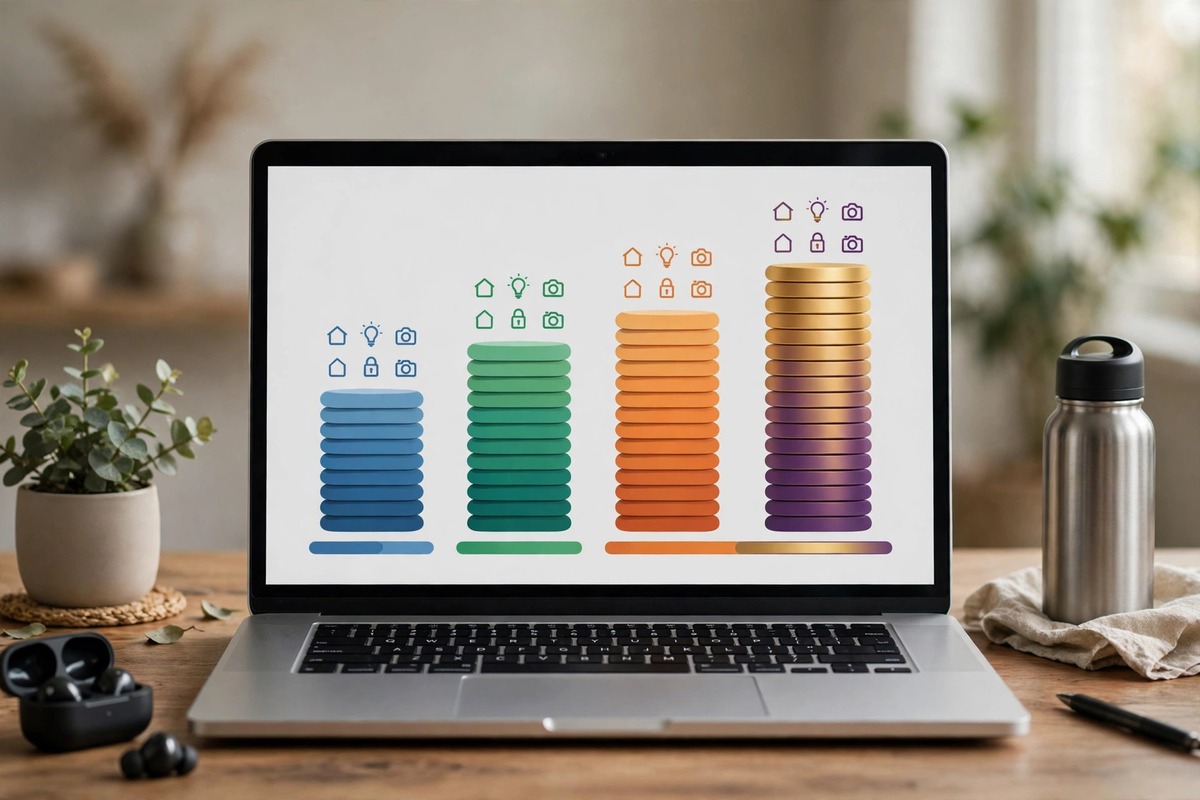
Angi’s 2026 cost data, quoted across the top ranking guides, puts a typical smart home system at around $174 to $1,363, with most homeowners paying roughly $764 for a setup built around a hub, a smart thermostat, lighting and a video doorbell. SoFi’s 2026 guide reaches a similar range, putting typical upgrades at $150 to $10,000 or more depending on what is included. Broader guides stretch the range further, because a basic multi-room system runs $2,000 to $5,000, mid-range integrated automation runs $5,000 to $15,000, and luxury custom systems start at $15,000. The table below turns those figures into practical tiers.
| Setup tier | Typical cost (US) | Typical cost (UK) | What you get |
|---|---|---|---|
| Starter (DIY) | $150 to $500 | £130 to £400 | Smart speaker, a few bulbs and plugs, one camera or doorbell |
| Comfortable | $500 to $1,500 | £400 to £1,200 | Lighting in several rooms, thermostat, doorbell, hub |
| Whole-home (DIY) | $1,500 to $5,000 | £1,200 to £4,000 | Most rooms covered, security, locks, sensors, automations |
| Whole-home (professional) | $5,000 to $15,000 | £4,000 to £12,000 | Designed system, wired where needed, installed and configured |
| Luxury custom | $15,000 plus | £12,000 plus | Motorised blinds, multi-room audio, custom panels, full integration |
Treat every figure here as a typical range, not a quote. Prices move with sales, your home’s size changes how many devices you need, and installation is the swing factor between the low and high end of each tier.
What Each Device Category Costs
Most budgets are built device by device, so it helps to know where the money actually goes. The ranges below combine Angi’s 2026 device figures with the category breakdowns published by the leading cost guides.
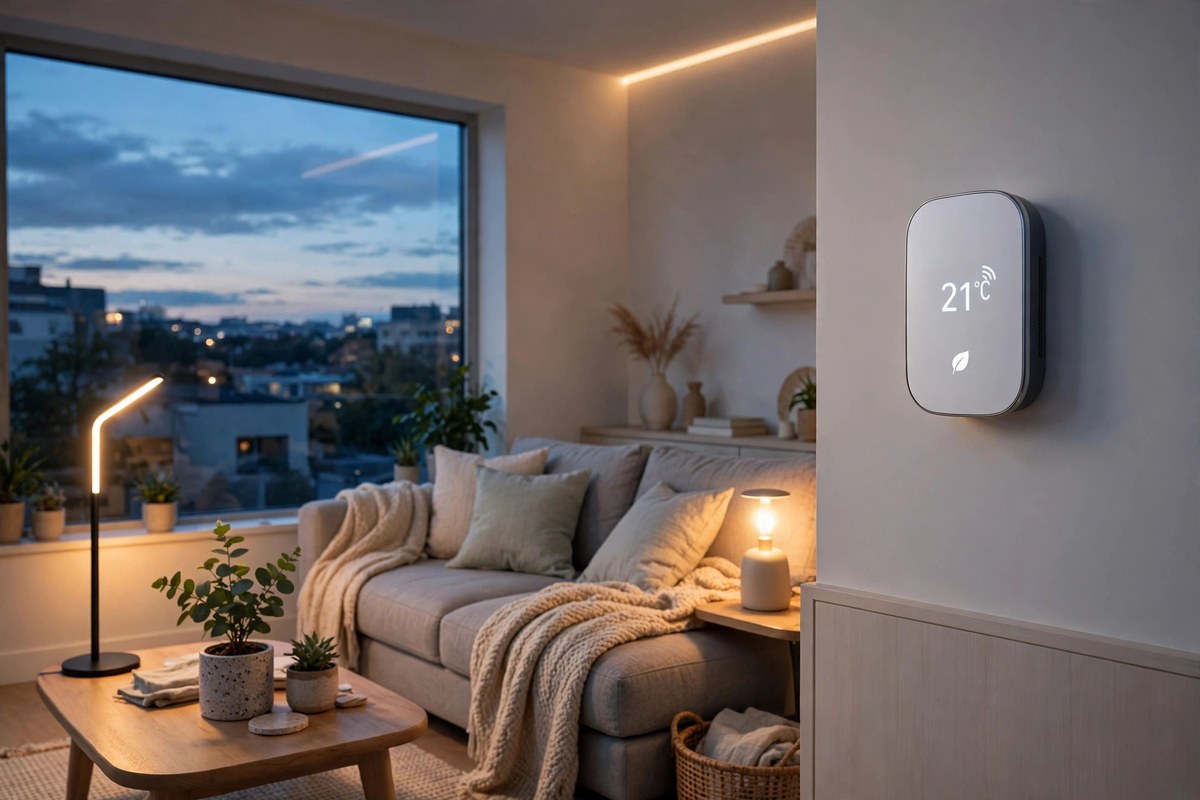
A smart thermostat is usually the first big win, and it typically costs $50 to $500 for the device, or £79 to £219 for the leading UK models. A smart speaker or voice assistant costs $40 to $500, though most people start with a $50 to $100 model. Smart lighting runs $10 to $150 per bulb or switch, which is why lighting a whole house adds up fast even though a single bulb looks cheap. Our guide to the best smart thermostats in the UK compares the models that UK homes actually buy, and our Ecobee vs Nest energy savings comparison shows which one pays for itself quickest.
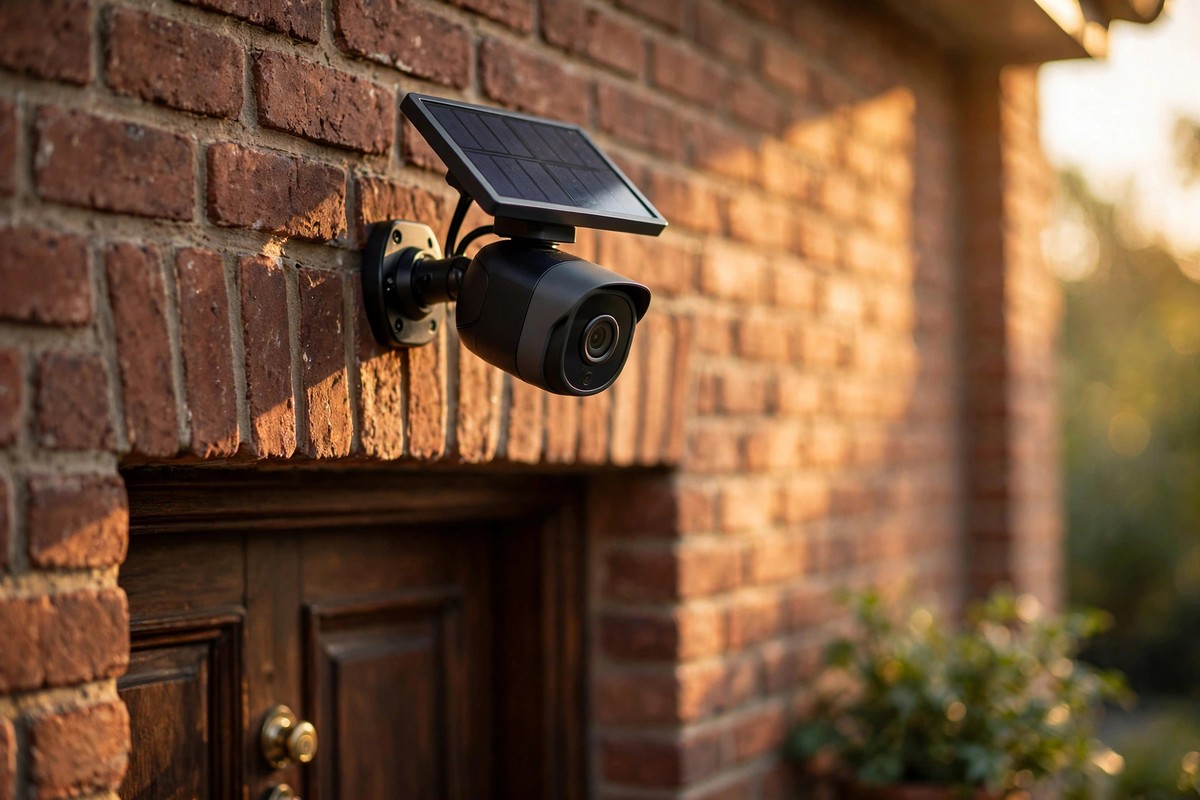
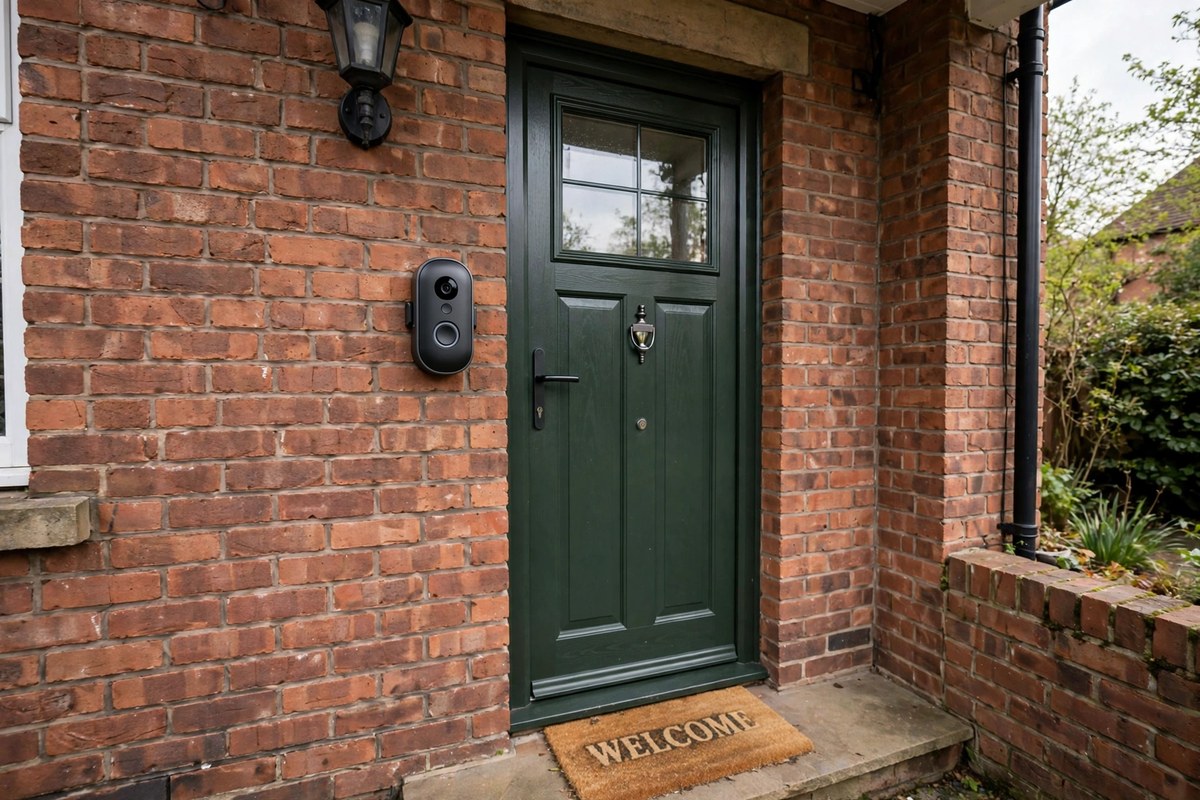
Security is usually the most expensive category. A single security camera costs $225 to $1,000 in Angi’s figures, a video doorbell costs $50 to $350, and a smart lock costs $125 to $500. The doorbell and camera figures exclude subscriptions, which is where the real long term cost hides, as covered below. Hubs and controllers cost $75 to $700, though many homes now skip a dedicated hub entirely and run Wi-Fi or Matter devices from a smart speaker instead. Sensors are the cheapest add-on at $20 to $60 each for motion, leak and door sensors, and smart plugs are the cheapest way to automate an old appliance at roughly £9 to £25 each in the UK. See our guide to the best smart plugs with energy monitoring for the models that also track what each appliance costs to run.
The Hidden Costs Nobody Puts in the Headline
The device price is only part of the bill, and this is where most first-time buyers get caught out. Professional security monitoring typically costs $10 to $40 a month, and cloud storage for cameras adds $3 to $10 a month. One guide puts annual subscription costs for a maintained system as high as $500 to $1,500, though most households land well below that unless they pay for full professional monitoring. Choosing cameras and doorbells with local storage avoids most of this: our Ring vs eufy video doorbell comparison shows how a subscription-free doorbell changes the three year total.
Other costs are smaller but real. A pre-installation assessment or system design visit typically costs $75 to $300. Professional installation labour runs $50 to $150 an hour, with higher rates in big cities and for complex wired work. A mesh Wi-Fi upgrade, which larger device counts often force, costs $150 to $300. Batteries for sensors run $20 to $30 a year, and an annual professional check-up costs $75 to $200. Devices also need replacing every 3 to 7 years, at $50 to $300 a time. Add these to your first year budget rather than discovering them later.
DIY or Professional Installation: What Changes the Price
Most mainstream wireless devices are genuinely DIY friendly. If you can follow an app setup flow, you can install a smart plug, a bulb, a battery doorbell or a basic thermostat yourself and pay nothing for labour. That is why the starter and comfortable tiers are so cheap: the hardware is the whole cost.
Professional installation earns its fee when the work touches wiring, spans many rooms, or needs devices from different systems to behave as one. Electricians and automation installers typically charge $50 to $150 an hour, and a full design, wiring and commissioning job is what pushes a whole-home system into the $5,000 to $15,000 band. Retrofitting an older home costs more than a new build, because finished walls, older wiring and patchy Wi-Fi all add labour. If your plan involves more than a handful of devices across several systems, paying for a design consultation first is usually cheaper than fixing compatibility problems later.
UK vs US: Why the Same Smart Home Costs Differ
The UK and US markets look similar on the surface but price differently in practice. UK heating runs on combi and system boilers with radiators, so UK buyers need thermostats built for that setup, such as Hive, Tado or the UK Nest model with its Heat Link, while US buyers choose from forced-air systems and heat pumps. UK device prices also carry VAT in the headline price, while US prices usually exclude sales tax, so a like-for-like comparison needs that adjustment.
Subscriptions and standards differ too. UK buyers should look for UKCA marks, 13A ratings on plugs, and Matter or Thread support if they want devices to work across Alexa, Google Home and Apple Home. Renters in both countries should favour battery and plug-in devices that need no wiring, since those move with you when you leave. The cheapest route in either country is the same: start small, buy proven devices, and expand room by room.
How to Keep Your Smart Home Under Budget
Start with the room you live in most, not the whole house. A hub or speaker, a thermostat and one security device deliver most of the daily benefit for a few hundred pounds or dollars, and you can add a room each month after that. Buy during the big sale windows, when starter kits and cameras drop sharply, and favour devices with no required subscription so your monthly cost stays at zero.
Second, pick one ecosystem and stick to it. Mixing platforms leads to duplicate hubs, incompatible devices and replacement purchases, which is the most common way a budget doubles. Third, use energy monitoring plugs and a smart thermostat first, because those are the two categories most likely to pay for themselves through lower bills. Finally, skip the luxury layer until the basics are solid: motorised blinds and whole-home audio are lovely, but they belong at the end of the build, not the start.
Conclusion: What Should You Actually Spend?
So how much does a smart home cost when you strip away the showroom figures? For most households, a genuinely useful setup lands between $500 and $1,500, or £400 and £1,200, with subscriptions kept at zero by choosing local storage. Spend less and you still get voice control, smart heating and a watched front door. Spend more only when you have a clear reason, such as a large house, a wired security system or a professional install. Build it in stages, buy devices that work without a monthly fee, and let the savings from your thermostat and plugs fund the next room.
Frequently Asked Questions
How much does a smart home cost for a small flat?
A small flat can be automated well for roughly $300 to $700, or £250 to £600. A smart speaker, a thermostat, a few bulbs and plugs, and one video doorbell cover the essentials, and most of it installs without tools or wiring.
What is the average cost of a smart home system in 2026?
Angi’s 2026 data puts the average at around $764, with most homeowners paying between $174 and $1,363 for a typical system. Larger or professionally installed systems cost considerably more, reaching $5,000 to $15,000 for whole-home automation.
Do I need a monthly subscription for a smart home?
No, not necessarily. Core features such as schedules, app control and voice control work without a subscription on most devices. Subscriptions only become necessary if you want cloud video history or professional monitoring, and choosing local-storage cameras and doorbells keeps that cost at zero.
Is it cheaper to build a smart home gradually or all at once?
Gradually is cheaper for most people. Buying room by room lets you catch sales, avoid incompatible devices, and stop at the point where extra gadgets add little value. Buying all at once only pays if you get a bundle discount with professional installation included.
Does a smart home increase the value of a house?
It can help a sale, especially built-in systems such as thermostats, security and lighting that stay with the house, but treat it mainly as a quality of life and efficiency investment rather than a guaranteed resale premium. Buyers value working systems, not a pile of gadgets they must learn.